Aug
31
2013

Peanut Allergies Are Deadly

In the US 1.5 million suffer from peanut allergies (Ref.1). People who have peanut allergies have to avoid peanuts and foods that contain even traces of peanuts lifelong. Here is a recent example of a 13-year old girl who died at a camp when she tried food contaminated with peanuts. Before we discuss peanut allergies in detail, we need to review first how the immune system is functioning.

How the immune system is primed to develop an allergy

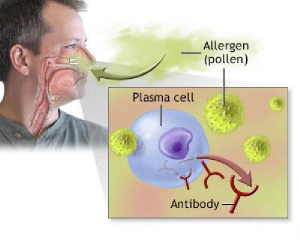
Our immune system knows the difference between our own body components and substances that come from the outside. Scientists call this tolerance to our own surface proteins; and scientists call it an immune reaction that is mounting as a reaction to anything different from the surface antigens. There are different cells that make up the immune system. One of the main working cells of the immune system are the lymphocytes, with B cells originating from the bone marrow producing antibodies when an immune reaction occurs. Antibodies fit like a lock and key to the surface of an antigen, in this case the peanut protein. T helper cells are T lymphocytes (thymus derived lymphocytes) that help the B cells to recognize the difference between the own protein components and the outside components. There are also T killer cells, which get activated when parasites or viruses enter the body. With regard to peanut allergies it is the B cells and T helper cells that interact and the B cells produce a powerful, very specific IgE antibody directed against peanut protein. There are memory B cells, which continue to produce these specific anti-peanut protein antibodies and cause severe allergic reactions when future exposure to peanuts (even traces) occurs. So, the more often a person who is allergic to peanuts encounters even traces of peanuts, the immune system will get boosted and produce even more antibodies of the IgE type through reactivated B memory cells (Ref. 2). 98% of the population does not react to peanut exposure with allergies, but the other 2% who may have genetic susceptibility factors that predispose them to this often develop life-threatening reactions (an anaphylactic reaction).

What is an anaphylactic reaction to peanuts?

The most extreme form of allergies involving IgE antibodies can cause anaphylaxis. In the beginning stages of a peanut allergy there may only mild symptoms such as hives on the skin, itching and tingling around the mouth, a runny nose, a scratchy throat, wheezing, stomach cramps, vomiting or diarrhea. However, with a more severe allergy an asthma attack can develop, blood pressure drops leading to fainting or shock and severe airway obstruction in the throat or lungs can cause suffocation.

I vividly remember an 11-year-old boy who was brought in by ambulance to the emergency room of the hospital where I was working as the on-call physician. He had a hard time talking as his throat was swelling up as part of his anaphylactic reaction, within minutes he passed out completely (shock). Fortunately an anesthetist was in the department and could intubate him very quickly. However, despite adrenaline treatment, oxygen by artificial ventilation and high doses of corticosteroid drugs he did not wake up until 10 hours later. In retrospect it turned out that he had eaten some crackers of a familiar brand that he knew as being free of peanut flour. However, he had seen an ad that the same brand of crackers was available as cheese crackers and he tried one of these, which prompted his admission to the hospital. The parents read the ingredients later: the label on the cheese crackers noted in small print that the flour of the cheese crackers contained peanut flour! Always read labels, even if it is a familiar brand! Fortunately for this boy he did not have brain damage from the time of his unconsciousness. He has been extremely careful since and is reading labels and avoiding unknown food items.

Peanut Allergies Are Deadly

Peanut Allergies Are Deadly

Cross-reactions between peanuts and other allergens

Allergies can be made worse when a person has inhalant allergies from pollens of trees or grasses that can share protein components from protein found in foods. The latest findings are that there are cross allergies between Fenugreek and lupine, which are both legumes, as are peanuts, so there are common antigens present in their proteins. A mouse-testing model has shed more light on this. Fenugreek has been shown to control mild diabetes by improving insulin resistance, but it cannot be consumed by persons who are highly allergic to peanuts because of the cross allergy mentioned.

There are other possible cross allergies to legumes like lentils, soy and chickpeas.

Other factors that can cause allergies to get worse

In the past the RAST test was often used. This is a blood test for common food allergies that can cause severe allergic reactions like egg, milk, peanut, tree nuts, wheat, crustacean shellfish and soy. However, since about 2010 this has been replaced by the more sensitive ImmunoCAP Specific IgE test. Children who have food allergies to egg, milk, wheat, nuts, peanuts and soy often outgrow these allergies when they age, in other words their immune system can develop tolerance to many of these foods. Not so with peanut allergies ! They tend to be very persistent.

The immune responses to food allergies are complicated as there are immediate type immune reactions and delayed type immune reactions. The immediate immune responses are investigated with the above mentioned ImmunoCAP Specific IgE test. The delayed immune responses can be measured using the ELISA test. Positive IgE antibody tests for peanut protein are a marker that the person affected likely has more other allergies and they should be investigated by a knowledgeable allergist in that regard (Ref. 2).

What complicates the allergy sufferers’ lives even more is the fact that new wheat varieties since the 1970’s, called Clearfield wheat have a much higher gliadin (gluten) and lectin content than the old wheat varieties. As a result of exposure to this new type of wheat gluten intolerance and leaky gut syndrome have increased substantially in the world population (Ref.3). In addition, genetically modified foods like soy, corn, sugar beets, canola and others have challenged the immune system of sensitive humans even more. We do know that some people can develop autoimmune diseases from GMO foods and modern wheat, and this may be the reason that a host of diseases that belong into this disease category (MS, rheumatoid arthritis, Hashimoto’s thyroiditis, ankylosing spondylitis etc.) are much more common now than in the past. The geneticists who developed GMO foods seemed to be unaware how sensitive the immune system is, which will detect a few different amino acid sequences in a protein mounting a strong immune response to it.

Treatment for peanut allergies

The key for sufferers from peanut allergies is to avoid exposure to it. Read labels and use common sense. If something is not labeled, do not be tempted to eat it. Peanut flour is often mixed into the dough of crackers, not being labeled properly or only in fine print. With peanuts the antibodies usually circulate in the blood life long as the B memory cells do not diminish and get reactivated very quickly on repeat exposure producing antibodies again. As exposure to peanuts can cause severe asthma or anaphylactic shock, it is important to carry an EpiPen with you and to know how to use it.

In Europe attempts have been made to develop an oral desensitization method for food allergies including peanut allergies, but it has not produced concrete results yet. Recently, however, research from Texas, USA showed that it is possible to desensitize patients with peanut allergy by oral desensitization. In Australia where food allergies are more prevalent than in the US, tolerance to peanut, nut and shellfish allergies is being pursued by oral immunotherapy. Another group in Australia has developed a vaccination method using peptides, which are a sequence of amino acids, but shorter than the full peanut protein. It appears that this is the future direction of treatment for peanut and other IgE mediated allergies: a kind of vaccination treatment to induce competing antibodies, which will neutralize the allergic IgE antibodies.

Conclusion

Peanut allergies have become more troublesome as the food industry has mixed peanut flour into Thai sauces, drinks, cookies, crackers and such. The person allergic to peanuts must read food labels and eat as much single-ingredient natural food as possible. This goes against the tendency of food processors who produce foods with a long rat tale of ingredients. If you see a label “may contain nuts or peanuts”, stay away from this product, as it is safer. Always carry an EpiPen or Twinject with you, just in case you develop an anaphylactic reaction (you only have a few minutes to stop the allergic reaction with adrenaline). In the future vaccination with a peanut protein specific peptide vaccine as mentioned regarding the Australian research, will probably become the treatment of choice.

More information on status asthmaticus (an acute asthma attack): http://nethealthbook.com/lung-disease/asthma-introduction/asthma-treatment/

References

1. Adkinson: Middleton’s Allergy: Principles and Practice, 7th ed. Chapter: Food Allergy. © 2008 Mosby.

2. Mandell: Mandell, Douglas, and Bennett’s Principles and Practice of Infectious Diseases, 7th ed.© 2009 Churchill Livingstone.

3. William Davis, MD: “Wheat Belly Cookbook. 150 Recipes to Help You Lose the Wheat, Lose the Weight, and Find Your Path Back to Health”. HarperCollins Publishers LTD., Toronto, Canada, 2012.

Last edited Nov. 7, 2014

Aug
03
2013

Treating Symptoms Not Effective, Find And Eradicate Causes

When you see a physician about a health problem, he or she general listens to your symptoms, examines you, comes to a diagnosis and then treats the symptoms. Medicine has been evolving since, anti-aging medicine has become more prominent and comprehensive medical practitioners have started to treat differently. The changing approach is best explained with some examples below. This is important as many general practitioners continue to treat symptoms and neglect to search for causes. Big Pharma is trying to keep the medical system in the “status quo” (the way it is), because they make big money by having general practitioners try out different ineffective medications (this way the profits keep on coming in.) One example is the cholesterol story. Only 50% of heart attacks are caused by high cholesterol, but physicians keep on prescribing statins whenever high cholesterol is found to prevent a heart attack. But the finding of high cholesterol could be caused by hypothyroidism (when the thyroid gland does not produce enough thyroid hormone). Diet can also play a role, if the patient eats too many helpings of fatty meats and drinks alcohol regularly. Just prescribing statins to lower cholesterol is not the answer, treating the cause is!

I am going to describe 5 examples where usually symptoms are being treated instead of the causes. If you are in a hurry, just read example 3 below (gastritis and duodenal ulcer). After that you can skip forward and read the conclusion, where I will summarize what I think we should learn from this.

Treating Symptoms Not Effective, Find And Eradicate Causes

Treating Symptoms Not Effective, Find And Eradicate Causes

1) Rheumatoid arthritis

Rheumatoid arthritis (RA) is an autoimmune disease where autoantibodies attack the joint surfaces. It is a multifaceted disease and typically requires a rheumatologist to get involved in the treatment. The standard treatment for RA is summarized in this link. Before engaging in these toxic treatments, it is very worthwhile to study this link and see, if any of your food components may have triggered your arthritis. Various agents in the food can contribute to the development of autoantibodies, such as wheat, soy, MSG, even salicylates. An elimination diet approach could pinpoint if there is any food component that may be the cause of your RA.

Dr.Lichten, in treating many RA cases has found (Ref.1, p. 85 and 86) that many patients had hormonal deficiencies, particularly a lack of DHEA when blood tests were done for this. DHEA is known to treat immune deficiencies and T cell responses were observed to raise 10-fold after DHEA supplementation; IGF-1 levels (an indirect measure of human growth hormone) increased and muscle mass improved when exercised as well along with DHEA replacement. RA patients responded well to relatively low doses of DHEA (25 mg daily for women and 50 mg daily for males). When other hormone tests are done to look for deficiencies, Dr. Lichten found sometimes thyroid deficiencies requiring hormone supplementation. Similarly when saliva tests are done to look for sex hormone deficiencies, there may be progesterone and/or estrogen deficiency in women and testosterone deficiency in males that needs to be replaced with bioidentical hormones. In RA patients there may be adrenal gland deficiency setting in, which can be diagnosed by a four-point saliva cortisol hormone test. Only these cases of true hormone deficiency will benefit from small doses of cortisol (the original bioidentical human hormone) given four times per day.

Here is a summary of the usual recommendations for home remedies for treating rheumatoid arthritis. Using electro acupuncture can be very useful for controlling chronic pain, but you still need to work out the cause for your particular case of RA.

2) High Blood Pressure

Most cases of high blood pressure (hypertension) are simply there without a particular cause. It used to be called “essential hypertension”, a fancy name meaning “essentially, we do not know the cause”. The doctor will start treatment with drugs to bring high blood pressure down. Before that the doctor is supposed to ask you to make a good effort to change your life style (cutting out additional salt, exercising, weight loss), but this is often glossed over and drugs are used right away. Drugs for hypertension are not harmless; here are some of the side effects.

The medical textbooks are not very clear on what causes high blood pressure. With renal causes (narrowing of a renal artery) a stent can be placed, the cause is treated and the blood pressure normalizes. As indicated, essential hypertension is the name for the majority of other cases of high blood pressure where officially no cause is known. Patients are usually put on life-long antihypertensive medications, often several drugs in combination, to bring the blood pressure down to 120 over 80.

Despite the notion that we do no know the cause of high blood pressure, we do know that a number of factors can contribute to developing high blood pressure: too much salt in the diet, too much nicotine from smoking and too much alcohol consumption.

A lack of nitrates from green vegetables can cause high blood pressure as well. Nitrates are necessary for the body to produce nitric oxide, a powerful messenger that dilates blood vessels lowering blood pressure. It is produced every second by the lining inside the walls of your arteries. Greens and vegetables, particularly beets, provide nitrates for nitric oxide production.

Nitric oxide, along with omega-3-fatty acid and prostaglandins are important in relaxing the arterial walls, thus lowering high blood pressure.

We also know that in diabetes and obesity high blood pressure is very common, because inflammatory substances circulate in the blood, which interfere with the normal production of the blood pressure lowering nitric oxide.

Treating high blood pressure with the conventional drugs will mask the real underlying causes.

The DASH diet has helped a lot of people to get their blood pressure under control. However, the limiting point in that diet is the amount of grains that are allowed. In my opinion, wheat and grains, starches and sugar are all empty calories and only stimulate your appetite because of the high leptin and gliadin content from wheat and wheat products. According to the cardiologist, Dr. William Davis, cutting these out will cure not only many cases of hypertension, but also diabetes and obesity. Many physicians have criticized him, but in my opinion his work is on solid researched ground. If a patient honestly gives lifestyle changes a try, many side effects and deaths from antihypertensive drugs could be avoided.

3) Gastritis and duodenal ulcer

You see your doctor, because lately you regurgitate acidy stomach contents. You may be diagnosed with gastritis and get a prescription for an acid suppressive drug. But before you take proton pump inhibitors (PPI) study the side effects here.

The interesting part is that many chronic gastritis cases are associated with a bacterium called H. pylori. Unfortunately it is now known that cimetidine, ranitidine and particularly PPI’s are treating the acid problem (the symptomatic treatment of acid suppression seems to work), but on the longer term they encourage H. pylori to grow more, particularly in the stomach. The bacterium undermines the lining of the stomach and the duodenum and interferes with the production of the protective mucous production, which is meant to protect you from gastritis and ulcers. Dr. Murray explains that the cause of gastritis, gastric ulcer and duodenal ulcer is the breakdown of the mucosal barrier (Ref. 3, p.73-75). So the symptomatic treatment of the H. pylori infection with triple therapy (2 antibiotics and a PPI) may be the medical treatment commonly accepted as the norm, but it does not cure H. pylori in many cases. Some patients develop diarrhea from a Clostridium difficile super infection as a result of the antibiotics from the triple therapy requiring even more expensive antibiotics for that condition. This only happened, because the patients’ symptoms were treated instead of the cause. The cause of gastritis and duodenal ulcers is a weakening of the lining in the stomach and the duodenum resulting in a breakdown of the mucous barrier. In some people dietary habits play a role, like too much cereal and wheat consumption with too little alkaline vegetables in the meals to neutralize the acid formation (see Ref. 2 for more details). However, when a simple licorice compound (DGL, which stands for deglycyrrhizinated licorice) is given, the symptoms from gastritis, acid reflux, and ulcers in the stomach or duodenum disappear. DGL supports the lining of the stomach and duodenum and reestablishes the defense against the acidy milieu. Not only that, but after a few weeks of DGL treatment all of the findings on endoscopy such as inflammation and ulcerations disappeared. Dr. Murray states that he has not encountered a case of gastritis or ulcer that would not have responded. It appears that the cause of gastritis and ulcers in the stomach and duodenum is not from too much acid, not from H. pylori infection, which appears to just be a concomitant infection, but actually is due to a breakdown of the barrier in the lining of the stomach and duodenum, which responds to DGL. The other interesting thing is that you can buy DGL in the health food store; the dosage is two to three chewable tablets on an empty stomach three times per day. According to Ref. 3 it needs to be taken 8 to 16 weeks, after which there is a full therapeutic response. Pepto-Bismol is another coating substance that is available over the counter and works well for minor stomach upsets.

4) Chronic back pains and insomnia

Many people see their chiropractor for chronic recurrent back pains and their physician for insomnia to get sleeping pills. It all depends what the underlying causes are of back pains and insomnia.

If there is a misalignment in the spine, a chiropractor doing manipulation would be a reasonable approach and the back pain symptoms often disappear. However, thyroid deficiency or adrenal gland insufficiency or adrenal gland fatigue may be the cause of back pains and muscle cramps. Unless the underlying cause is treated (in the case of hypothyroidism treatment with thyroid hormones), the back pains will stay. In fibromyalgia where muscle pains are all over the body, the standard treatment with antidepressants and pain pills just will not do it on the long-term. These patients require a detailed work-up with analysis of the hormonal status. Often they are suffering from a lack of thyroid hormones, a lack of sex hormones (in women a lack of estrogen and progesterone, in men a lack of DHEA and/or testosterone). But they may also have weak adrenal glands and a lack of growth hormone. An anti-aging physician (A4M) can order the appropriate tests and treat the underlying causes.

Fibromyalgia patients often have insomnia (sleep disorders). Dr. Lichten (Ref.4) recommends GABA in small doses (125mg to 250 mg) at bedtime along with 500 mg of L-tryptophan. He also recommends 4000 IU - 5000 IU of vitamin D3 (as often insomnia patients are deficient in vitamin D3) as well as 500 mg to 1000 mg of magnesium. If this alone is not sufficient, melatonin, 1 mg to 3 mg at bedtime will be beneficial. Dr. Lichten cautions that GABA leads to tolerance quickly, so it should only be taken 5 days out of 7 to allow the body’s receptors to recover. This alternative approach to treating insomnia will prevent many patients from getting addicted to sleeping pills (hypnotics).

5) Asthma symptoms

Not every case of asthma needs steroid inhalers and salbutamol or other bronchodilator inhalers as treatment. This link shows that low thyroid can also cause asthmatic symptoms of wheezing and shortness of breath. It is important to listen to the patient’s symptoms, but the treatment will only be successful when the cause is treated. Dr. David Derry described in this link how many of his severe asthma patients had iodine deficiency and low thyroid hormones and no longer had to see him when iodine treatment and desiccated thyroid hormone replacement was given as treatment. This goes against what the standard recommendation for asthma treatment is, but it seems to get patients unhooked from dependence on steroid inhalers.

Steroid dependency from anti-asthmatic inhalers can suppress the adrenal glands and lead to adrenal gland insufficiency.

The adrenal glands are vital for coping with stress as the more stress you are under, the more your pituitary gland produces ACTH hormone, which in turn stimulates the adrenal glands to produce cortisol. However, a significant percentage of patients with asthma that been on corticosteroid inhalers for a long time, experience a suppression of the pituitary gland and the adrenal glands cannot produce the required stress hormones; in other words, adrenal fatigue or adrenal insufficiency can set in.

This is an example where during the treatment of asthma symptoms were controlled with corticosteroid inhalers, but the stress hormone circuit was undermined to the point where the patient experienced another disease (called a “iatrogenic disease”, a disease from the side-effects of drugs). Treatment of adrenal fatigue is described in this link.

Conclusion

Medicine can become quite complex as these examples show. Many times physicians tell their patients that the cause of their symptoms is not known. However, this is not always true, but conventional medicine continues to hold onto the old dogmas. With the third example above (gastritis and duodenal ulcer), until the mid 1980’s the original theory in medicine was that too much acid production would be the cause of these conditions and treatment concentrated on suppressing acid production. Then the new theory came up that H. pylori, a bacterium would be the cause of chronic inflammation, which together with too much acid would cause the condition. That is why physicians now treat it with the triple therapy, a good deal for Big Pharma, but a bad deal for many patients. They still do not get cured, but develop a worsening of their conditions as H. pylori growth proliferates, particularly from the PPI’s, which undermines the lining of the whole stomach. As pointed out above DGL, a simple licorice compound, which is available in health food stores, can strengthen the lining of the stomach and duodenum, which at the same time gets rid of the H. pylori problem without any other drugs.

The problem with conventional medicine is that in many cases physicians still treat symptoms instead of treating known causes. Big Pharma supports this, as it is expedient for them to protect their multi billion-dollar industry. Patients need to demand that the causes of their diseases are being treated rather than the symptoms.

References

1. Dr. Edward M. Lichten: Textbook of bio-identical hormones. ©2007 Foundation for Anti-Aging Research, Birmingham, Michigan, USA

2. William Davis, MD: “Wheat belly. Lose the wheat, lose the weight, and find your path back to health.” HarperCollins Publishers Ltd., 2011.

3. Michael T. Murray, ND: “What the drug companies won’t tell you and your doctor doesn’t know”. Atria Books, New York, 2009.

4. Dr. Edward M. Lichten: Textbook of bio-identical hormones. ©2007 Foundation for Anti-Aging Research, Birmingham, Michigan, USA

Last edited Aug. 3, 2013

Incoming search terms:

Jun
01
2013

Toxins In The Bathroom

In the past I never looked at labels on shower gel, hair conditioner or liquid soap. But one day I read that the cosmetic industry uses parabens as a disinfectant in many body care products including cosmetics. That’s when I found out about my major supply of hair care products contained various parabens, like methylparaben, ethylparaben, propylparaben, butylparaben or heptylparaben.

Hair care and body care products

Officially, toxicity tests have shown that these substances are safe on the short term. What this means is that in short term experiments (usually up to 90 days) rats did not die from exposure to them. But long-term studies to see whether they would die from cancer have never been done. However, long-term exposure can lead to skin rashes in sensitive individuals (contact dermatitis, rosacea). This is still fairly harmless. Much more concerning are the effects of long-term exposure, which is what happens when we apply these chemicals to our skin every day. It has been shown that breast cancer specimens (what the surgeon cuts out during surgery) contain parabens, which can be measured in the lab. Further experiments have shown that parabens have estrogen-like hormone activity in animals and humans. They belong into the group of “xenoestrogens”. What this means is that they act like weak estrogens, and this can be cancer causing. In women estrogens are in balance with progesterone, but when parabens or other xenoestrogens are introduced, the estrogens get the upper hand, which can cause breast cancer and uterine cancer. In men where traces of estrogen and progesterone are also present, balanced with the more dominant testosterone, this hormone balance gets disturbed by parabens, and prostate cancer can develop. Why don’t we hear about this more often? Because it is a slow process that may take 20 to 30 years. By that time nobody thinks that breast cancer or prostate cancer could be the result of long-term exposure to parabens. For years the cosmetic industry argued that parabens would be just applied to the skin, not taken internally and for this reason they should be safe. The problem in this sentence is the word “should”. Parabens are absorbed through the skin and enter the bloodstream directly exerting the xenoestrogenic effect. Some parabens occur naturally in very small amounts such as in barley, strawberries, currants, vanilla, carrots, and onions, but they are absorbed by the gut and get destroyed by the liver in the so-called “first pass effect”. I went to the health food store and studied labels. I was able to get clean products (shampoo, conditioner, body wash), which do not contain parabens.

Toxins In The Bathroom

Toxins In The Bathroom

Tooth paste

This is a topic, which may get your dentist annoyed. Here are the ingredients to watch for:

1. What most people expect to be in a toothpaste is fluoride. The dentist was told by the representative of the toothpaste company that fluoride would make the enamel of teeth more resistant against tooth decay. This is passed on to the consumer. What is not passed on to you is that fact of fluoride toxicity, which occurs when fluoride gets absorbed into the body. This is called “skeletal fluorosis”. Stomach and bowel irritation including irritable bowel syndrome and joint pains are part of this syndrome. In growing children the enamel of teeth can get discolored, the bone of adults can get brittle causing wrist fractures. Fluoride displaces magnesium on a cellular level and this causes metabolic problems in the kidneys and brain as many enzymatic reaction need magnesium as a co-factor. The thyroid can also become hypothyroid, particularly, if iodine was low to start with (fluoride can replace iodine in the body). If you feel you need to brush your teeth once per day with a fluoridated toothpaste, use regular, non-fluoridated toothpaste in between. You can also protect your body by taking iodine capsules twice per day to saturate your system with healthy iodine, which makes you more resistant to bromide, chlorine and fluoride toxicity.

2. Another ingredient on the label is often Sodium lauryl sulfate: this chemical is used to improve the texture of the toothpaste and make it foam up when you brush your teeth. The side effects are irritation of the mucous membranes, may cause canker sores, redness and irritation of the skin around the mouth. It is interesting to note that it also causes fish to die when the wastewater enters the ocean or water streams.

3. Triclosan: This substance has antibacterial and antifungal properties and as such lends itself to prolong the shelf life of bodycare products (see this review). It is frequently used in deodorants,toothpaste and mouth washes. It is being investigated for safety by the FDA because it is an endocrine disruptor in animals and in humans, can cause hay fever, antibiotic resistance and can combine with chlorine from chlorinated water to cause release of chloroform, which is a known cancer causing substance. Many manufacturers have voluntarily abandoned the use of it.

4. Saccharin and aspartame: These artificial sweeteners are often used in toothpaste to add sweetness. Although originally thought to cause bladder cancer, saccharine has been cleared of this around 2000 when it was shown that although causing bladder cancer in rats, it was safe in humans. Diabetics have used saccharine safely for over 50 years. Aspartame, however, is more problematical: there was an intensive investigation by the FDA whether or not aspartame would cause cancer in humans. As this review shows there were methodological flaws in some of the cancer studies so that the FDA finally decided to keep the previous recommendations that is was safe to use in diet drinks etc. the same. Other researchers disagreed and came to the conclusion that there were interest groups that interfered with the science of investigating safety of aspartame. Aspartame belongs into the group of excitotoxins, substances that can excite the brain and can also cause an existing cancer to metastasize. At this point in time it is much safer to cut out all aspartame from your diet including your toothpaste.

5. FD&C blue dye No. 2. This blue food coloring agent has been around as food additive since 1906. It was FDA approved back then. However, because of renewed health concerns this food coloring was re-reviewed. According to this reference the time exposure in animal experiments was not long enough (page 13 to 19 of this link), but serious complications such as significant brain tumors in rats and borderline higher frequency of bladder tumors and breast cancer were noted. The FDA elected to keep it listed as a safe food coloring agent. Hyperactivity in children is another observation that is of concern to parents. It simply is not worth to use blue, number 2 in toothpaste. Read your labels and leave it out!

Hair dyes

With the baby boomers turning grey as they get older, there is an interest in hair coloring. But of course people of any age group may like to change hair color and experiment! Study labels of different products. You will notice in quite a few of them the familiar parabens as a disinfectant. Other toxins are ammonia, benzene, PPD (p-Phenylenediamine), toluene, coal tar. You find details of these ingredients and their side effects in this link (note a lot have been shown to be cancer producing). The bottom line is: avoid cancer-producing chemicals like the ones just listed. Instead buy your permanent herbal hair color in the health food store or health food section.

Cosmetics

Women probably apply too many creams and lotions on their skin. Cleansers, moisturizers, foundation, powder, eye shadow, lip stick, eye shadow, eye liner, nail polish are all substances that will be in part absorbed by your system. The body has to be detoxified in the liver, and the kidneys remove the metabolic end products in the urine. As many of the chemical ingredients in these cosmetics are cancer-producing substances, it is no wonder that the liver, the kidneys and the bladder are the target organs. Read more about the dirty dozen, the chemicals in cosmetics, in this link. Phthalates in the form of diethyl phthalate and dibutyl phthalate are commonly found in cosmetics and personal care products. They help nail polish to last longer and are industrial solvents.

In 2010 this Mexican study showed malformations in rodents after exposure of the mother to phthalates. Asthmatic children were also found in another study to have absorbed higher levels of phthalates than children that had no asthma. As a result phthalates have been illegal in many European countries, but not yet in Canada and the US. What should you do about this? For wrinkles use a product that consists of hyaluronic acid. (I found “Pure Hyaluronic Acid Facial Serum” from Complementary Prescriptions (Carson City, NV) and Yu InfiniSerum, a cream manufactured by Nutrazyne Research LLC, Highland, UT). Between both of those non-toxic skin applications you likely will not need any other cosmetics on your skin. If you feel you do, insist on natural ingredients that do not irritate your skin. Do you really need a lipstick? If you do, do not take one that contains lead or other cancer producing metals as was discussed recently on the news.

Mouth wash

Many people feel they have “bad breath” and they need a mouthwash. This is good marketing for companies that produce mouthwash. However, the truth is you need to have your gums looked at, brush your teeth regularly and floss your teeth. If you are constipated, increase your fiber intake and consider colonics. If you still think you have bad breath, use a natural mint product (read the ingredients). Why do I not like mouthwashes? They kill your mouth bacteria that are naturally there; this can disbalance the rest of your gut bacteria as you swallow part of the mouth flora when you eat or drink fluids. If you still want to use a mouthwash, use one without alcohol and without any carcinogens or parabens. Also read this 2009 news item. It is as valid as it was then.

Underarm deodorant

Here is an article that points out the danger of antiperspirants and breast cancer. The lesson to be learnt from this is that the propellants of sprays can be deadly when overused. So, use deodorants that are sticks to put or roll on. Next there is the aluminum content, which needs to be “0”. Aluminum is one of the substances responsible for Alzheimer’s disease when exposure to it occurs over longer periods of time. Parabens are often smuggled in as antifungals/antibacterials. They are hormone disruptors and xenoestrogens causing breast and prostate cancer. So, no propellants, not parabens, no aluminum! Triclosan is another substance that is added to the ingredients. As discussed before it is already is being recognized as hazardous! To choose the right deodorant it is important to read labels carefully, so you can make informed choices. Look for “aluminum free deodorant”. Next make sure that none of the bad chemicals described above are in the ingredient list. Read this info to educate yourself. Your best bet to find the right product is to go to the health food store or health food section of a store, as they usually carry a selection of natural, non-toxic products.

Conclusion

We owe it to our bodies to protect them from the chemicals that manufacturers produce with no concern about their customers’ health. You may ask yourself why cosmetics, toothpaste or other personal care products are even manufactured with cancer producing substances in them! It is up to the consumer to make the right choices and we do have many health-oriented choices available to us now. My hope is that through education we will influence the market to become more health-oriented.

Last edited June 1, 2013

Apr
14
2013

Allergies Not Only In Spring

Springtime is the time of spring allergies: those affected develop a runny nose, itchy eyes and in more severe cases they may experience a flare-up of asthma. Allergies can be triggered by the increase of pollen counts in the air that occurs every spring. In those who are sensitive, this leads to antibody formation in the blood. But often people have not only sensitivities to the pollens of spring bloomers; they may also be allergic to spores from molds, to dust mites and may have underlying allergies to foods. The immune system has memory cells that memorize that a person has had an allergic encounter to one of these items in the past, and allergic reactions can become more significant with a future encounter. Allergies can also be made worse when a person has food sensitivities and there are cross reactions between pollens of trees or grasses that can share surface protein regions with similar protein regions in foods.

It is known that cross allergies are possible between birch pollen and apple, carrots or hazelnut. In its extreme form allergies due to antibodies, called IgE antibodies, can cause anaphylaxis. A person presensitized by inhaling birch pollen, after eating an apple, hazelnuts or a carrot can develop itching of the throat, swelling of the lips and very quickly deteriorate getting into an anaphylactic shock.

Other cross allergies exist between ragweed pollen, which is a powerful inhalant allergen and melons or bananas. Again there are specific IgE antibodies that are responsible for this immune reaction. In this case the ragweed allergy primes the immune system to produce IgE antibodies, which are potentiated by certain foods that share similar protein components as the ragweed pollen.

In the following I will deal with inhalant allergies separately from food allergies.

Allergies Not Only In Spring

Allergies Not Only In Spring

Inhalant allergies

Inhalant allergies are easier to diagnose and to treat than food allergies. Your doctor will likely refer you to an allergist when you have allergies that do not respond to treatment with intermittent over the counter antihistamines. Your symptoms may come on in the spring with itchy eyes and a runny nose. From year to year you find that you become more and more dependent on antihistamines and nose drops to unplug your nose. The allergist likely will do sensitivity tests, which consist of skin prick or scratch tests on the back or the forearms.

In more serious allergies, where the patient has coughing and wheezing attacks following allergic reactions, the allergist may suggest to start intermittent allergy injections alongside the standard inhalation therapy for asthma. An allergy serum is prescribed where the lab mixes ingredients based on all of the positive tests that led to a strongly positive skin reactions when allergy testing was done. Typically the family doctor or his nurse will start the allergy injections initially in weekly intervals, later when the maintenance dose is reached, it may be modified to injections every 10 to 14 days.

The allergy injections stimulate the immune system to produce harmless competing antibodies, which counteract the disease producing allergic antibodies. In the process of desensitization shots the immune system will normalize, which means that the inflammatory response of the immune system settles down to normal.

This is not the end of the story with inhalant allergies. The patient needs to be retested on a yearly basis by the allergist. The immune system changes all the time as new allergies can develop and old ones may go away.

Retesting is necessary to keep track of what is going on and to change the composition of the allergy serum. Those patients who are working together with the allergist can do very well, and often they gradually outgrow their allergies. Others may not be so lucky. They may have reactions to the allergy injections. In these cases avoidance of what causes the allergy may be the only solution to treat the allergies.

There is an alternative to allergy injections, which has been used in Europe, namely a sublingual immunotherapy. Recently there has been a review of the literature for FDA approval that is needed for oral desensitization for ragweed, dust mites, grass pollen and cat dander. It will take some time before the FDA approval process will become a reality for sublingual desensitization in the US.

A special form of inhalant allergies are allergies to pets (mainly dogs and cats, but also allergies to petting zoo animals). The dander that the human comes in contact with is a protein contained in the animal hair. It causes hives when it touches the skin. This occurs as the dander is absorbed through the skin and meets the local mast cells that release histamine. This in turn is responsible for the hive formation. Sneezing and even asthma can develop from inhaled protein particles that reach the lungs. Allergy injections for the treatment of animal dander allergies are very limited as they often do not help or make the allergies worse. Avoidance of animal contact is usually what the allergist recommends as the solution, a recommendation, which often is not appreciated by the affected animal lover.

Food allergies

Often we eat some foods more frequently, because they are our favorites. This means that our gut lymphocytes that get in contact with these foods can start to react to one or more of the foods we ingest. At this time we may experience abdominal cramps, diarrhea, vomiting and a host of other possible symptoms.

The physician will tell the patient that testing for food allergies is a problem as most of the usual skin tests employed for inhalant allergies do not reliably work in determining food allergies. The doctor will ask the patient or the mother of the child with food allergies to keep a food diary and keep track of the allergic symptoms in the diary as well. An elimination diet will have to be devised based on the information gathered in the diary as it becomes clear from that record which foods cause which symptoms. The foods causing allergic symptoms are subsequently eliminated. This is a cumbersome process, but it is the most reliable method of testing and treating food allergies.

In the past there was a blood tests, called RAST test, which tested for common food allergies that can cause severe allergic reactions like egg, milk, peanut, tree nuts, wheat, crustacean shellfish and soy. Since about 2010 this has been replaced by the more sensitive ImmunoCAP Specific IgE test.

Children often develop food allergies to egg, milk, wheat, nuts, peanuts and soy, which are food allergies with positive IgE tests. When they age, their immune system develops tolerance to many of these foods and they often outgrow these allergies.

There are other popular lab tests where a blood drop is analyzed with IgG, IgM and IgE antibodies against a panel of foods. A number of suppliers offer these tests. However, the specificity, sensitivity and reliability can pose problems with regard to the interpretation of the results: allergists often point out that a test may be a false positive when a person likes certain foods and IgG antibodies against this food show up despite the patient having no symptoms. Another specialist may interpret this to indicate that the body shows early sensitization to a certain food, but clinically it is not yet obvious. In other words the sensitivity of the test is so high that it undermines the validity of the test. Recently a panel of international scientists reviewed the validity of these IgG based food intolerance tests and they found the tests not reliable.

The immune responses to food allergies are complicated as there are immediate type immune reactions and delayed type immune reactions. The immediate immune responses are investigated with the above mentioned ImmunoCAP Specific IgE test. The delayed immune responses can be measured using the ELISA test.

Other considerations about allergies

You see from this discussion that a patient with allergies needs a properly trained allergist who will do a comprehensive analysis involving a thorough history, examination, blood tests and immune tests. The test results have to be interpreted with the experience and the clinical judgment of the specialist.

Since the 1970’s when Clearfield wheat was introduced around the world on a large scale, which has a much higher gliadin (gluten) content than the old wheat varieties. As a result of exposure to this new type of wheat gluten intolerance and leaky gut syndrome have increased substantially in the world population. Genetically modified foods like soy, corn, sugar beets, canola and more have challenged the immune system of sensitive humans even more to an extent, which is not fully understood yet. We do know that some people can develop autoimmune diseases and this may be the reason that a host of diseases that belong into this disease category (MS, rheumatoid arthritis, Hashimoto’s thyroiditis, ankylosing spondylitis etc.) are much more common now than in the past.

After food elimination for 2 to 12 months depending on the severity of the food allergy, your body may have eliminated the allergy to the food you have avoided, in other words your body built up tolerance. Before you expose yourself to any food that you used to be allergic to and that you want to re-test, it is best to have an EpiPen ready in case your allergy has not resolved. Caution is necessary with regard to foods that cause more severe allergies, e.g. shellfish or peanuts, which may last life long. It is safer to avoid these foods that cause more severe allergies altogether.

Allergic reactions of the immune system belong into the category of chronic inflammatory diseases. These are known to be the root of chronic diseases like asthma, arthritis, heart disease, high blood pressure and cancer. When you are vigilant about allergies and get proper assessment and treatment by an allergist, you will prevent serious health problems including the above mentioned chronic diseases.

More on asthma, which is a chronic inflammatory lung condition, often associated with multiple environmental allergies:

http://nethealthbook.com/lung-disease/asthma-introduction/

Last edited Nov. 6, 2014

Dec
01
2008

Treating Gastroesophageal Reflux Helps Asthmatic Kids

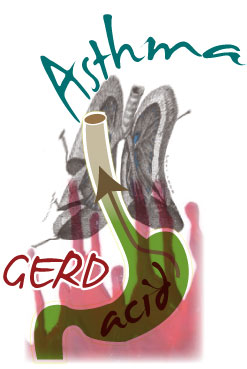
Asthma in children can be associated with allergies, but as Dr. Aaron K. Kobernick reported recently, other health conditions can also contribute to childhood asthma. He found that approximately two thirds of children with persistent asthma who had no allergic symptoms had another health condition, namely gastroesophageal reflux disease. The condition of acid reflux aggravates asthma. A prospective study examined children with moderate persistent asthma over a 2 year period. Initially the children underwent spirometry testing to assess their lung function. Another test involved monitoring of the acidity (ph values) in the esophagus of those children. The latter test demonstrated that the majority of the asthmatic kids also had GERD (gastroesophageal reflux disease).

Treating Gastroesophageal Reflux Helps Asthmatic Kids

Acid reflux aggravates asthma


Those children who were free of acid reflux received asthma medication only, but the patients with acid reflux and asthma received medication to treat the reflux.
In some cases surgical intervention was necessary. It became apparent that the children whose reflux was treated either surgically or with medication had an improvement of asthma symptoms of 22 to 25 %, whereas asthma medication alone contributed only to an improvement of 11%. Dr. Kobernick concluded that the large airways can react to the exposure of stomach acid, which results in an aggravation of asthma symptoms. Treating the acid reflux condition will result in less asthma in young patients with GERD.

More information on:

1. Asthma: http://nethealthbook.com/lung-disease/asthma-introduction/

2. GERD: http://nethealthbook.com/digestive-system-and-gastrointestinal-disorders/acid-reflux-gerd-esophagitis-barretts-esophagus/

Annual Meeting of the American College of Allergy, Asthma, and Immunology, November 6 - 11, 2008, Seattle, Washington

Last updated Nov. 6, 2014

Oct
01
2008

Go Easy On Tempra And Tylenol In Young Kids

With cold and flu season around the corner, the medicine shelf will fill up with remedies that provide symptomatic relief for those who caught a bug. Children who have an elevated temperature will very likely receive over the counter medication such as Tempra drops or Tylenol for children. These preparations have been around for decades, and parents are usually confident that they are harmless.
A Lancet article points out that there are certain risks associated with them, and the most sensitive age group are the youngest children. A study documented that the mother’s use of paracetamol (identical to acetaminophen or Tylenol) during pregnancy can be associated with the development of asthma in 6 to 7 year old children. More recently 205,487 children in the age group of 6 to 7 were included in a survey. The children were from 73 centers in 31 countries. In the analysis of data the use of paracetamol in the first year of life was checked against the risk of asthma symptoms once the children were 6 to seven years old. Paracetamol use in the first year of life also played a role in the increased risk of rhinoconjunctivitis and eczema.

Go Easy On Tempra And Tylenol In Young Kids

Go Easy On Tempra And Tylenol In Young Kids

With these results, parents should resort to the children’s’ Tylenol and Tempra drops only, if fairly aggressive intervention is necessary. Too often over the counter meds are used “just in case he or she is coming down with something”. Symptomatic home remedies in children such as lukewarm baths to bring down an elevated temperature, cool fluids bring relief, and ice packs still have their place in the control of mild febrile symptoms.

The Lancet 2008; 372:1039-1048

Last edited December 3, 2012

Incoming search terms:

Jun
01
2008

Boost Babies’ Health with Mom’s Diet

Prenatal supplements and good advice on proper nutrition during pregnancy have long been included in proper prenatal care. Importance has been placed on folic acid to prevent neural tube defects in the fetal development. Calcium is recommended, often in the form of dairy products, but it does not end there: just swallowing the supplement and adding some more milk may be helpful but not quite enough. Certain dietary habits have been found more beneficial, such as the eating habits in the Mediterranean countries. A research team from the University of Crete in Heraclion, Greece included women who were involved in antenatal care at all general practices in Menorca, Spain. The study took place in the time frame of 12 month starting in 1997. After six and a half years 460 children were also included in the analysis.

Dietary habits were studied and assessed by food questionnaires and the children were assessed for the development of allergies and asthma.

Boost Babies’ Health with Mom’s Diet

Boost Babies’ Health with Mom’s Diet

The children of mothers who consumed the most vegetables, fish and legumes were almost 80% less likely to have persistent wheeze and more than 40 % less likely to have allergies. The results are consistent with the fact that a high level of adherence to the Mediterranean diet during pregnancy is protective not only to the mother but also to the child.

More information about prenatal visits (where nutritional habits are checked as well): http://nethealthbook.com/womens-health-gynecology-and-obstetrics/pregnancy-labor-delivery-2/prenatal-visits/

Reference: The Medical Post, April 22, 2008, page 25

Last edited December 18, 2014

May
01
2008

Tree Pollen Connected With Mood Disorders

Seasonal affective disorder (SAD) does have its grip on people who react to a lack of sunlight in the winter month. As a result depression in the winter season is not uncommon. Some people just report it as feeling “down” and “tired” or report a lack of energy. Despite all the reports about SA, epidemiological studies have shown that the rate of depression is not the highest in dreary months like January or February but it spikes in the months of April and June. Dr.Teodor Postolache, a psychiatrist at the University of Maryland made a recent presentation at a meeting of the American Acadamy of Allergy, Asthma and Immunolgy delving into the reason for this finding. He compared the exposure of tree pollen which triggers a cytokine release to a tsunami.Virtually no outdoor allergens are present in the winter months, but with the release of tree pollen people who are vulnerable to allergies are exposed to massive amounts of allergens. The released cytokines may affect brain function and behaviour, resulting ultimately in changed cortisol levels and an altered serotonin metabolism. After breathing the cytokines are already released in the nose and they can continue their action in the prefrontal brain area where the centers for mood, anxiety and impulsivity are located. Dr. Postolache and his colleagues confirmed that individuals with a history of allergy and asthma had a 2.5 fold of suicide compared to controls and those with allergic rhinitis had a 1.7 fold higher risk.

Tree Pollen Connected With Mood Disorders

Tree Pollen Connected With Mood Disorders

For the first time it could also be demonstrated that cytokine levels in suicide victims were significantly elevated in the orbitofrontal cortex, the brain area that affects mood. Intranasal corticosteroids in the form of nosedrops can bring significant relief to allergy sufferers, and Dr. Postolache and his team will examine the benefits of intranasal corticosteroids closer in a clinical study. Whereas systemic corticosteroids have shown a negative impact on mood disorders and depression, the local application of a nasal spray or drops is geared to abolish the pathways from the nose to the brain for the inflammatory cytokines.

More information on seasonal rhinitis: http://nethealthbook.com/ear-nose-and-throat-diseases-otolaryngology-ent/nose-problems/allergic-rhinitis/

Reference: The Medical Post, April 1, 2008, page 1, 34

Last edited November 3, 2014

Jul
01
2007

Asthma And Bronchitis From Exposure To Chlorinated Water In Infancy

Every new parent has the wish to stimulate infants in healthy development. Children’s programs are plentiful, whether they involve gymnastics and dance or toddlers play. It is no surprise that swimming classes are also offered, and parents are not only looking at the water fun but also at water safety. They want the best for their baby and make use of swim groups that are offered for babies and infants.

It turns out that it may be better to hold off on putting baby into swim classes at the public indoor pool. The water is fine, but the chlorination is the problem. It is common to see a irritation of the eyes due to chlorination, but data reported in the June issue of Pediatrics described findings from a group of 341 school children age 10 to 13, 13% of whom had participates in infant swimming programs point to damaging effects on the respiratory organs. Among others the respiratory condition of these children was assessed. The infant swimming group had signs of so-called Clara cell damage and changed permeability of the lining of the lung. The group that had been enrolled in infant swim groups also had significantly elevated odds of having chest tightness, physician-diagnosed asthma and exercise-induced airway constriction. The problems were aggravated even more, if the children were exposed to parental smoking.

Asthma And Bronchitis From Exposure To Chlorinated Water In Infancy

Chlorinated water exposure during childhood leads to asthma later in life

The researchers conclude that infant swim practice in chlorinated indoor swimming pools is associated with airway changes, which along with other factors can predispose children to the development of asthma and recurrent bronchitis. More research is recommended to examine the effects of chlorination products on the infant respiratory tract.

More information on asthma: http://nethealthbook.com/lung-disease/asthma-introduction/

Reference: http://www.ncbi.nlm.nih.gov/pubmed/20075053 : Voisin C, Sardella A, Marcucci F, Bernard A.: ” Infant swimming in chlorinated pools and the risks of bronchiolitis, asthma and allergy.” Eur Respir J. 2010 Jul;36(1):41-7. Epub 2010 Jan 14.

Last edited November 2, 2014

Jul
01
2007

Incense Use Causes Cancer Of The Respiratory System

Incense use has been common in East Asia for a long time, but also in the Western world incense burning is not uncommon. It became very much “in” to burn incense sticks to create a certain “atmosphere” in a room. Incense burning during religious celebrations in some churches is a custom that goes back well over 1000 years. It is easy enough to observe, how a cloud of incense triggers a chorus of coughing and clearing of throats in a church ceremony. It has never been a laughing matter to people who suffer of allergies and asthma, as incense smoke –just like any other smoke- is a source of airway irritation.

But a bit of a cough and airway irritation are the smaller problems that long term incense use has in store. A study involving 61,320 Singapore Chinese showed that long term users had more than twice the relative risk of non-nasopharyngeal cancers of the upper respiratory tract, compared with people who did not use incense. The risk of squamous cell carcinomas of the lung rose 1.7 fold and the risk of squamous cell carcinomas of the entire respiratory tract rose 1.8-fold among long-term incense users, wrote Dr. Fribourg and his colleagues of the University of Minnesota, Minneapolis who conducted the study. The participants in the study were 45 to 75 years old and free of cancer when they enrolled in the study from 1993 to 1998. Living conditions, life style and dietary factors were examined and results were adjusted for a host of factors, such as cigarette smoking, alcohol intake, gender differences, and intake of Chinese preserved food.

Incense Use Causes Cancer Of The Respiratory System

Incense Use Causes Cancer Of The Respiratory System

The researchers also noted that incense burning is deeply engrained into the way of daily living in Southeast Asia. About half of the population burns incense at home every day. Incense smoke contains a large amount of particular matter and the burning releases many possible carcinogens including polyaromatic hydrocarbons, carbonyls and benzene.

More information regarding nose cancer: http://nethealthbook.com/ear-nose-and-throat-diseases-otolaryngology-ent/nose-problems/nose-cancer/

Reference: First published June 21, 2007 and subsequently published in a 2008 journal.

Last edited November 2, 2014