Mar
19
2016

Book Review: “Healing Gone Wrong – Healing Done Right”, By Ray Schilling, MD

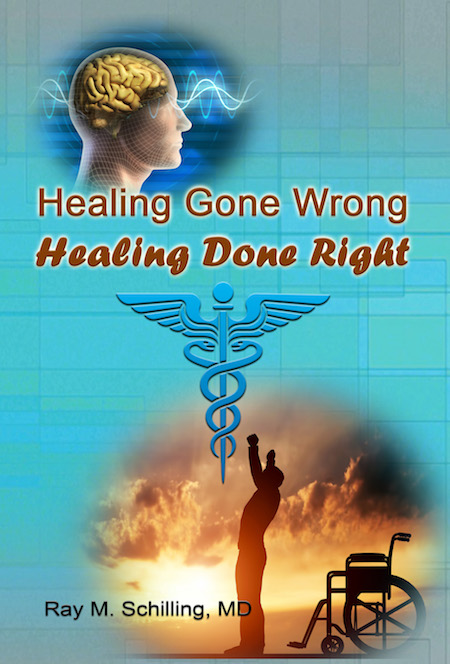
This book entitled “Healing Gone Wrong – Healing Done Right” (Amazon, March 18, 2016) is dealing with the practice of medicine then and now. Medical errors, false diagnoses and wrong treatments are nothing new in the history of medicine. It happened in the past, and it is happening now. My first book was about anti-aging. The title was “A Survivor’s Guide to Successful Aging” (Amazon 2014).

Book overview

Chapter 1

Here I describe describe that famous people like President Kennedy, Elvis Presley, Churchill, Beethoven or more recently Michael Jackson have something in common: all of them suffered the consequences of blatant medical mistakes. In Beethoven’s time lead containing salves to plug the drainage holes from removing fluid from his abdomen caused lead poisoning. In this chapter I review also how doctors treated the illnesses of the above-mentioned celebrities, but then ask the question: “What better treatments have offered to prevent some of the disastrous treatment outcomes?”

Chapter 2

Modern drugs seem to come and go. We learn that twenty-first century medications that are supposed to be the latest therapeutic agents are having their potentially deadly consequences too: COX-2 inhibitors, the second generation arthritis drugs cause strokes and heart attacks! Your doctor may still prescribe some of these dangerous drugs for arthritis now.

Chapter 3

This chapter deals with the fact that medical treatments for people’s diseases may be inappropriate when the doctor treats only symptoms, but the doctor does nothing about the causes of their illnesses. This is a scary thought.

Chapter 4

What does it take to prevent these poor health outcomes, so that we will be able to prevent any disastrous outcomes pertaining to our own health care in the present and future? As we will see, the problem today is still the same as it was in the past, namely that many physicians still like to treat symptoms instead of the underlying cause of an illness. Big Pharma has the seducing concept of a pill for every ill, but it is not always in your best interest, when these medications have a slew of side effects. “Gastric reflux” means a mouthful of stomach acid. Big Pharma simply offers the patient with the symptom of gastric reflux a multitude of medications to suppress this symptom. But it is more important to dig deeper to find the reason for the illness and treat the underlying cause.

Chapter 5

We all need our brain to function. This chapter concentrates on the brain and how we can keep our brains functioning optimally until a ripe old age. This review spans from prevention of head concussions to avoiding type 3 diabetes (insulin sensitivity from overconsumption of sugar). It manifests itself in Alzheimer’s disease. It is a form of diabetes of the brain that leads to deposits of a gooey substance. Prevention of this condition is also reviewed .

Chapter 6

This chapter reviews what we now know about how to keep a healthy heart. Certain ingredients are necessary such as regular exercise, a healthy Mediterranean diet, supplements etc. The good part is that what is good for the heart is also good for the brain. You are preventing two problems (brain and heart disease) at the same time.

Chapter 7

What should we eat? And why does healthy food intake matter? Without the right ingredients of our body fuel, the body machinery will not work properly. The Mediterranean diet is an anti-inflammatory diet that is particularly useful.

Chapter 8

We need healthy limbs, bones and joints. We are meant to stay active in our eighties and nineties and beyond. No osteoporosis, no joint replacements, no balance problems that result in falls! Learn about how to deal with problems like these in this chapter.

Chapter 9

This chapter deals with detoxification. What do we do as we are confronted with pollution, with radiation in the environment and poisons in our daily food? A combination of organic foods, intravenous chelation treatments and taking supplements can help us in that regard.

Chapter 10

I am dealing here about reducing the impact of cancer in our lives. A lot of facts have come out in the past 10 years telling us that reduction of sugar and starchy food intake reduces cancer. Curcumin, resveratrol and vitamin D3 supplements also reduce cancer rates as does exercise and stress management. All of this is reviewed here.

Chapter 11

This chapter tells you all you need to know about your hormone status. Women need to avoid estrogen dominance; both sexes need to replace the hormones that are missing. By paying attention to your hormonal status and replacing the missing natural hormones with bioidentical ones, most people can add 10 to 15 years of useful, active life!

Chapter 12

Here you will learn more about anti-aging. You will learn about the importance to keep your mitochondrial DNA healthy. Apart from that there are ways how to keep your telomeres longer; certain supplements that are reviewed will help. Also your lifestyle does make a big difference in how old you can turn.

Chapter 13

This chapter investigates the limits of supplements. Many supplements are useful, but you do not want to overdo it and get into toxic levels. More is not necessarily better!

Chapter 14

Here is a review of an alternative approach to treating ADHD. Attention deficit and hyperactivity disorder has been over diagnosed, has been neglected and has been over treated with dangerous drugs. An alternative treatment plan is discussed, which includes a combination of therapeutic steps.

Chapter 15

This gives you a brief summary of the book.

Kirkus Review

Kirkus Reviews reviewed the book on March 17, 2016: “A retired physician details how various preventative measures can fend off disease and disability in this consumer health guide. Schilling (A Survivor’s Guide to Successful Aging, 2014) had a family medicine practice in Canada for many years before retiring. Although Schilling ventures into some controversial territory in his latest book, it’s generally an engaging, helpful synthesis of ideas that draws on reputable research from the Mayo Clinic and other sources. Overall, it serves as an intensely detailed wake-up call to the importance of preventative health. He largely brings an accessible and even-tempered tone to his narrative, warning readers, for example, that preventative health measures can only aid in “a delay of aging, not ‘eternal living.’ ” A thought-provoking, impassioned plea to be proactive about one’s health.”
Healing Gone Wrong – Healing Done Right

Healing Gone Wrong – Healing Done Right

Conclusion

In this book it becomes evident that it is better to prevent an illness whenever possible rather than to wait for illness to set in and cause disabilities or death. You heard this before: “Prevention is better than a cure” or “an ounce of prevention is better than a pound of cure”. I will give an explanation, based on scientific data that there is indeed evidence to support these notions on a cellular level.

Mitochondria, the energy packages within our cells

The mitochondria, the energy packages within our cells, are the driving force that keep people vibrantly healthy well into their nineties. All this can only happen when the mitochondria function properly. If toxins poison the mitochondria and as a result they malfunction, we are not looking at a person with vibrant health. Instead sixty or seventy year-olds may use a wheelchair. If you want a life without disabilities, a life without major illnesses and enjoy good health to a ripe old age, you are reading the right book.

The book is written in American English.

Available in the US: http://www.amazon.com/gp/product/1523700904

In Canada: https://www.amazon.ca/Healing-Gone-Wrong-Done-Right/dp/1523700904/

In other countries the book is available through the local Amazon websites.

Jan
23
2016

Life Extended By Several Decades

Have you ever thought about the possibility to prolong your “Freshness Date”? At the 23rd Annual World Congress on Anti-Aging Medicine on Dec. 13, 2015 in Las Vegas the endocrinologist, Dr. Thierry Hertoghe from Belgium gave a talk about “How to extend the human lifespan by 40 years”. Dr. Hertoghe explained that it is possible to extend life by paying attention to the factors that prolong life and combining them as an anti-aging type lifestyle. He made a distinction between

  1. normal aging: up to age 82
  2. healthy aging: up to age 100
  3. anti-aging medicine: up to age 122
  4. reversing aging medicine: much more than 122, perhaps to age 150 or more.

Normal aging (up to age 82)

Life expectancy is on average about 82 years. From the age of 50 to 60 onwards you may encounter problems with increased cholesterol, high blood pressure leading to heart attacks and strokes. Coronary artery by-pass surgery may extend an individual’s life by 10 to 15 years. But hardening of the arteries in the general circulation will eventually cut down the blood supply to vital organs leading to premature death that could have been avoided.

Around the mid 60’s to mid 70’s 12.4% of African Americans or 2.9% Caucasians get Alzheimer’s disease. These figures worsen rapidly with further aging: in their mid 70’s to mid 80’s 32.5 % of African Americans and 9.8% of Caucasians suffer from Alzheimer’s disease. At the age of 85+ years 54% of African Americans and 27% of Caucasians have Alzheimer’s disease. With normal aging Alzheimer’s has already increased, and this trend likely is continuing.

Loss of memory, depression and musculoskeletal pain

Memory loss also leads to a shortened survival curve; people with memory loss live two years less on average than compared to a group with no memory loss.

Add to this loss of life because of depression, common in older age. Compared to a non-depressed group over 2 years of older people the depressed group lived 30% shorter.

Musculoskeletal pain in younger age (18-44) was 38%; the next demographic group aged 45-64 reported 61% of musculoskeletal pains; seniors between 65 and 74 had 68% of musculoskeletal pain, and in the demographic group of 75 and up 71% of persons suffered of musculoskeletal pain. As we will learn later there may be hormone deficiencies behind these neck and back pains. If the patient does not seek treatment, this can lead to falls, fractured hips and premature loss of life. Those who survive accidents often become wheel chair bound and end up in nursing homes.

Patients with rheumatoid arthritis and patients with other disabilities have a lower life expectancy

One specific subgroup of patients with musculoskeletal pain are rheumatoid arthritis sufferers. After 10 years of having rheumatoid arthritis patients will have a survival of only about 50%. With involvement of more than 30 joints (more severe form of the disease) only about 40% will survive. In other words, rheumatoid arthritis is an important factor for lowering people’s life expectancy.

At an age of 65 to 74 men have 23% of disabilities, while woman have 27.5% disabilities. This increases between the ages of 75 or older to 40% for men and 44.5% for women. At the age of 65 disabled men have a 3.5% higher death rate than the average population; disabled women’s death rate is 2.5% higher than the normal population. In other words, disability kills.

Obesity, and heart disease

Urinary urgency and incontinence leads to a 3.13-fold higher mortality rate than a control group of men who do not have these symptoms.

65% of men and 85% of women above the age of 50 have abdominal obesity. This is not just a harmless condition. There is an association between increased triglyceride levels and increased mortality due to cardiovascular disease and diabetes.

By the age of 65-74 heart disease has a frequency of 32% in men and 23% in women. At the age of 75 years and older this jumps to 44% in men and 32% in women. Once the doctor diagnoses heart disease, it causes a lot of premature deaths: an average person with heart disease lives 10 years shorter than those who do not have heart disease!

Healthy aging (up to age 100)

Improving lifestyle factors increases life expectancy

If we look at normal aging, we realize that all these diseases and disabilities we discussed are eventually killing us. In order to live longer we have to take steps that are known to interfere with some of these factors. For instance, quitting smoking will prevent heart disease, several cancers and chronic obstructive lung disease (emphysema). Positive thinking, social support and transcendental meditation will increase survival by preventing mental illness and depression, which in turn will prevent suicides. A healthy diet such as the Mediterranean diet or the Pegan diet will avoid cardiovascular disease and cut down cancer rates.

Live longer with better diet

One dietary change is called the “polymeal”. It consists of fish, fruit, vegetables, garlic, almonds, a moderate amount of wine and dark chocolate. Compared to the Standard American diet this type of diet would add 9 years for men and 8.1 years for women regarding their life expectancy. For instance, prostate cancer showed a 7-fold increase in a group of men who ate a lot of pickled vegetables, fermented soy products, salted fish and preserved meats, when compared to a control group who did not include these foods. In a group of women who had their meat well done and ate three servings of beef per week, breast cancer risk was 4.62-fold higher compared to women who ate meat done rare or medium rare. Overall cancer and cardiovascular mortality dropped by 35% in a study where 5 or more servings of fruit and vegetables were eaten per day.

Regular exercise and supplements of vitamin C and omega-3

A regular exercise program will strengthen the heart and lungs, keep your weight stable, reduce heart attacks and strokes and reduce the probability to develop cancer. A group of men between 61 and 81 were observed over 12 years and divided into those who did not exercise versus those who walked more than 2 miles per day. The exercising men had 19% less mortality compared to the sessile men. Vitamin C from fruit and vegetables or from taking supplements reduces global mortality from all causes by 46% compared to controls that did not. Similarly taking omega-3 fatty acid supplements (fish oil) daily reduced all cause mortality by 20%.

Dr. Hertoghe calls this “healthy aging” and this would allow you to be able to reach an age of about 100 years.

Anti-aging medicine (up to age 122)

Low thyroid hormones

Dr. Hertoghe told the audience that further attention to anti-aging factors could reduce mortality even further. He found over the years that paying attention to correcting hormonal weaknesses would have profound effects on how old a person becomes. Thyroid hormone replacement has been one of the steps that has helped people to feel more energetic, have less muscle pain, less falls, less fractures and complications. It also translates into longer lives.

One slide showed that a low free T3 level (low thyroid) was associated with a 3.6-fold higher death rate. A low free T3 level is an accurate predictor of cumulative death rate in cardiac patients.

T3 is also important for the maintenance of the immune system, which shows in patients with tuberculosis: the one-year mortality rate from TB in thyroid deficient patients was 75%, while patients with a normal thyroid had a mortality from TB of only 7%.

Replacement of missing sex hormones

Secondly, replacing missing sex hormones can add more life because cardiovascular disease is postponed (less heart attacks, less strokes), there is less cancer and better cancer survival, if a person comes down with cancer. Many statistics were quoted.

One interesting slide showed the longitudinal survival follow-up of congenital dwarfs in comparison with their normal brothers or sisters. Untreated male dwarfs turned only 56 years on average, while their unaffected normal brothers turned 75 years on average (19 years longer). With female dwarfs the difference is even more striking: untreated females dwarfs turned 46 years on average, while their normal sisters turned 80 years on average (a difference of 34 years).

Bioidentical hormone treatment prolongs life, lowers heart attack rates and lowers cancer rates

Another publication showed that the heart attack risk was 3.8-fold higher in a group of patients with hypopituitarism (under function of the pituitary gland), but the treatment group (treated with GH) had a normal rate of heart attacks.

11606 men aged 40 to 79 years were followed for between 6 and 10 years. The group who had the top 25% range of testosterone had a 19% lower mortality rates from heart attacks or cancer.

Older women, particularly aged 100 in Okinawa had 2.3-fold higher testosterone levels than women in the US at age 70. On the other hand 70-year old Okinawan women had 2.7-fold higher estrogen levels than US women.

Bioidentical hormone replacement therapy (BHRT) prior to developing breast cancer showed a 27% longer survival among 984 breast cancer patients in Sweden compared to those without prior hormone treatment.

Lower mortality rates for bioidentical hormone replacement therapy of breast cancer patients

In another group of breast cancer patients (2755 patients) aged 35 to 74 who were treated with bioidentical hormone replacement therapy (BHRT) after their breast cancer diagnosis, 50% had a lower recurrence rate (compared to no-BHRT treatment) and there was a reduction of 66% of mortality from breast cancer compared to controls without BHRT treatment. Another study showed that breast cancer patients would have a mortality rate of 33.3% without hormone treatment. After non-estrogen hormone treatment the mortality rate dropped to 12.5% and to 6% after estrogen/progesterone use. This shows the healing results of the various natural hormones.

Treating the cause rather than the symptoms

A group of 280 men and women around the age of 50 were treated with anti-aging hormone replacement for 2 or more years. In the beginning there were 34% of women and 15% of men with coronary artery disease. There were also 36.4% of women and 34.1% of men with high blood pressure. After replacing all of the missing hormones with bioidentical hormones for more than 2 years, coronary artery disease had dropped to 1.6% of the women and 1.08% of the men; high blood pressure had dropped to 2% of the women and 3% of the men. No drugs, just hormones! Of course, initially the doctors prescribed drugs to stabilize their condition, but they could gradually drop them safely. The reason was that the doctors treated the underlying hormone deficiency. The doctors were treating the cause of the cardiovascular disease rather than only the symptoms.

Low mortality of women on bioidentical hormone replacement

Dr. Hertoghe presented data of 6.38-year follow-up of 286 consecutive patients using anti-aging medicine (replacement of missing hormones with bioidentical hormones). These patients had an overall cancer rate of 2.1%, which compared very favorably to the 3.2% cancer rate among US women. The overall cancer rate was 3.1% in French women and 3.1% in Belgium women on no hormones. This is the type of information that is needed following the Women’s Health Initiative (WHI) that scared women into the false belief that hormones would be “poisonous”.

Synthetic hormone do not fit the hormone receptor

In the WHI synthetic hormones caused cancer and heart attacks; the reason for this was that synthetic hormones are not the identical shape as the natural hormones. But hormones and hormone receptors have to fit like a key into a lock; otherwise they are not effective or even block the natural life prolonging action of the natural hormone. This is why in the WHI study the outcomes were poor. Using bioidentical hormones the doctor can prevent heart attacks and strokes and they are also cancer-protective.

Reversing aging medicine (much more than 122, perhaps to age 150 or more)

General medicine has the goal to make patients as healthy as possible. With reversing aging medicine the goal is to make patients as young as possible. They are at their healthiest and feel younger again.

With anti-aging medicine using a healthy diet, exercise and bioidentical hormone replacement therapy the patients can add 15 years of good life. Add to these organ transplants, if necessary, telomerase activators and stem cell therapy. This can add another 25 years of life expectancy to a total of 40 years.

Growth hormone deficiency

Growth hormone deficiency is the one factor that has been underestimated. The discussion of dwarfs in comparison to their healthy brothers and sisters showed us the following. Growth hormone production can add between 19 and 34 years (average 26.5 years) of life. Dr. Hertoghe has done blood tests (IGF-1) and lately also 24-hour urine metabolite tests of growth hormone on aging patients and found that many are deficient with regard to GH production. These were patients where Dr. Hertoghe already replaced their thyroid hormones, if abnormal and replaced their sex hormones when they were low. But they lost hair, developed old looking faces with wrinkles. In addition, a loss of subcutaneous fatty tissue is giving the face a hollow appearance. They also had muscle and joint pains and thin skin, particularly over the back of their hands.

Replacement of growth hormone

He replaced their missing GH using daily GH self-injection with a tiny needle (similar to diabetes injections). Within 1.5 to 3 years the wrinkles disappeared, the faces started to look younger and patients did feel younger. Their muscle and joint pains had disappeared and their hair grew back. The dosage range is between 0.1mg and 0.3mg, a tiny amount of GH daily. This is not inexpensive, but some health care plans pay for this, as a lack of GH is a true hormone deficiency.

About organ transplants

Often it is a single limiting organ that determines when we die, typically the heart, lungs, brain, liver, kidneys, small bowel, pancreas or bone marrow. Organ transplants can add years of life, but it can be cumbersome to find a suitable donor. One study showed that only 40% to 60% of organ transplants are surviving 8 years after the surgery.

Stem cell therapies are other ways to prolong life. More research will perfect this, but essentially stem cells can provide 220 different cell types for in-vitro organ culture. This can probably be of use in the future to replace malfunctioning organs.

Life Extended By Several Decades

Life Extended By Several Decades

Conclusion

The dream of staying younger for longer can be a reality today. You just need to be willing to discipline yourself and watch what you are eating (Mediterranean type diet). Also, exercise regularly and have a positive psychological attitude. If the outdoor air is poor where you live, you may want to consider moving. Move to a place with good air quality. Sleep well for 7 ½ hours every night and retire not later than 10 to 11PM. You need to be asleep between midnight and 3AM as the growth hormone peak occurs at that time.

Take supplements

Take supplements that contain longevity micronutrients (magnesium, vitamins A, C, D, E, B6, B12, Co-Q-10, selenium, zinc, iron in premenopausal women etc.). Replace all missing hormones with bioidentical ones, like thyroid hormones (T3 and T4), sex hormones, DHEA and GH. Stem cell therapy and telomerase activators for cell rejuvenation will also have more of a place in the future.

Even, if you do only part of this reversing aging program you will slow down aging.

Nov
07
2015

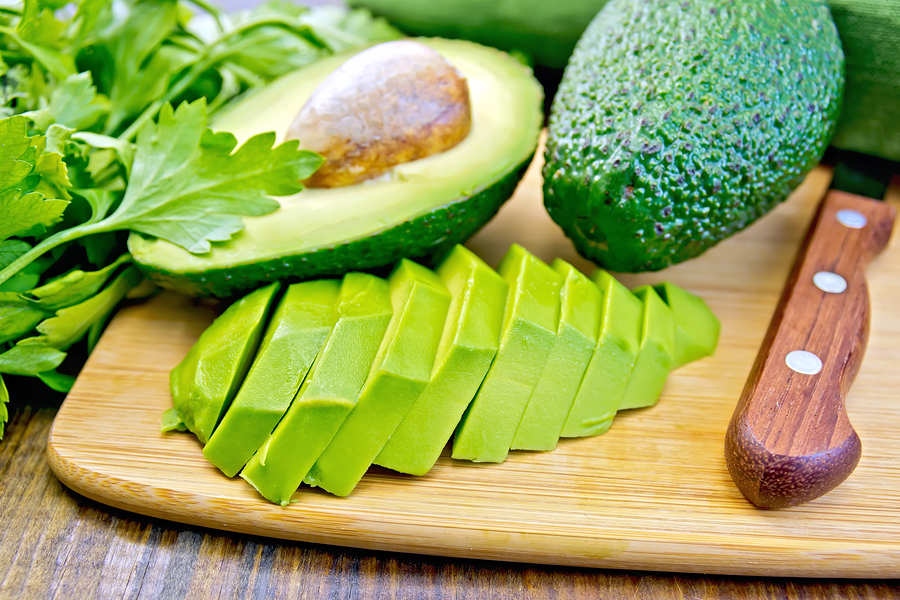
Eat Your Avocado

“Eat your avocado” is an appropriate invitation to eat this super food with many positive effects on people’s health. That is to say, first, it helps arthritis, in addition it is good for your vision, besides it protects against cardiovascular disease, moreover it fights metabolic syndrome, further it helps in weight maintenance and finally, it even protects against some cancers. Avocado contains healthy oils and many vitamins and minerals.

Avocado composition

80% of an avocado is fiber making it a valuable food to prevent colon cancer. Among the minerals it is noteworthy that avocados are rich in boron and potassium. In terms of vitamins it is rich in vitamin E (alpha-tocopherol), vitamin B6, folate, vitamin K and pantothenic acid. It does not contain cholesterol, but contains monounsaturated fat (oleic acid). In fact, oleic acid is the compound in olive oil responsible for lowering your blood pressure. The oils in avocado contain first 71% monounsaturated fatty acids, secondly 13% polyunsaturated fatty acids and thirdly 16% saturated fatty acids. This mix promotes healthy blood lipids, but also helps in the absorption of fat-soluble vitamins and phytochemicals. In addition to all that avocados contain phytosterols, a number of carotenoids, non-carotenoid antioxidants, alpha-linolenic acid (an omega-3 fatty acid) and glutathione.

Cardiovascular disease protection

The combination of fiber and folate in avocado help to reduce LDL cholesterol. Oxidized LDL leads to hardening of arteries. The folate reduces homocysteine, which is a risk factor for heart disease. Phytosterols that are similar in structure to cholesterol compete with cholesterol absorption in the gut.

In a 2015 study several diets were compared with regard to LDL lowering potential, either a low fat diet, or two forms of medium fat diets, where one contained one avocado per day. The results were surprising in that the low fat diet led to a reduction of LDL by 7.4 mg/dL while the avocado diet caused a reduction of LDL by 13.5 mg/dL.

The oils in avocados also seem to suppress the appetite center in the brain helping people to eat less and controlling obesity and diabetes.

Arthritis prevention

In a 2014 study hip osteoarthritis was examined for over 3 years. Researchers could show that an extract from avocados and soybeans was protective of osteoarthritis. The anti-inflammatory components of avocado like omega-3 fatty acids, carotenoids, phytosterols and non-carotenoid antioxidants all work together in countering joint inflammation. Boron abundantly contained in avocado also was found to be essential for healthy joints.

Eye protection

Avocado has its own mixture of carotenoids, like alpha- and beta-carotene, lutein, zeaxanthin, neochrome, chrysanthemaxanthin and others. The green pulp contains these. They have anti-inflammatory properties. The fatty acid profile of avocados helps to absorb carotenoids, as they are fat-soluble. Researchers conducted a a two phase clinical study to show that avocado added to salsa or to salad was leading to a 5- to 15-fold higher absorption of the carotenoids in salsa and salad when compared to avocado-free salsa and salad.

This is an important observation that we should remember: always eat some avocado with any fruit or vegetable that contains carotenoids, as this will improve the absorption of the carotenoids tremendously.

Why is that so important for eye disease? In a 2008 study a total of 1802 women aged 50 to 79 years from Iowa, Wisconsin, and Oregon were followed who had intakes of lutein and zeaxanthin above the 78th percentile. Researchers compared these women to women below the 28th percentiles in the Women’s Health Initiative Observational Study. This involved eye examinations in both groups. The eye specialists examined their eye lenses for nuclear cataracts. The surprising finding was that women with the highest quintile category of diet or serum levels of lutein and zeaxanthin had 32% less nuclear cataracts than women in the lowest quintile of lutein and zeaxanthin.

The conclusion was that carotenoids of avocados have vision protective effects.

Metabolic syndrome and obesity

This 2013 study included 17,567 US adults and part of the National Health and Nutrition Examination Survey (NHANES) 2001-2008. Researchers compared avocado eaters and non-avocado consumers. Interestingly, avocado eaters had a much better overall food quality in their diet. They ate more vegetables, fruit, fiber and less added sugar. Calorie and sodium intake were identical in the two groups. But body weight, body mass index and waist circumference were significantly lower in avocado eaters than in the non-avocado control group. The cardio protective HDL cholesterol was significantly higher in the avocado group. The odds ratio for developing metabolic syndrome, the change in metabolism due to obesity was 50% lower in avocado consumers than in non-consumers. All of this is good news for the consumer, if we eat some avocado.

Skin, beauty and anti-aging

We don’t like to develop too many wrinkles, as they are a sign of premature aging. The oils of avocados have been used for some time in skin care products as they stimulate collagen production in the skin and reduce wrinkles. But when you eat avocados, the carotenoid substances (such as lutein and zeaxanthin) serve for skin protection, protecting you from UV light damage. In addition, avocados contain vitamin E and glutathione, which help to scavenge free radicals. Otherwise the skin would prematurely age and wrinkle. The end result is that you see a reduction in the development of wrinkles, when you consume avocados. The beneficial effects on your blood vessels in combination with protecting your skin will age your body slower, a point that has been noted in the anti-aging literature.

Cancer blocking properties

In the following I will briefly review the findings of several cancer research groups, but this review is by no means complete.

Leukemia

This 2015 study describes a new chemotherapeutic agent, derived from avocado that they named Avocatin B. Avocatin B is active against the difficult to treat acute myelogenous leukemia (AML). It works by targeting mitochondrial components of AML, but does not affect healthy leukocytes or leukocyte progenitor stem cells.

Colon and esophageal cancer

The authors of this study from Iran describe four phytoextracts of avocado for treatment of patients with esophageal cancer and colon cancer. They noted that the phytoextracts have a much lower toxicity than standard chemotherapeutic agents and significantly slow growth of these cancers. They plan to use these phytoextracts as complementary treatments of esophageal and colon cancers.

Oral cancers

This paper describes that avocado extracts were shown to be successful in treating oral cancers.

Cancer prevention

In this paper it is discussed that the phytochemicals in avocados arrest cancer cells in their cell division cycle and lead to apoptosis, which is natural cell death. The authors believe that eating avocado regularly can help prevent a whole array of different cancers by this mechanism.

Eat Your Avocado

Eat Your Avocado

Conclusion

Avocados are a super food, which has many beneficial effects. Perhaps one of the outstanding effects is prevention of obesity and the metabolic syndrome as discussed. Women may want to eat it because of the beneficial effects on skin and beauty. We all should have an interest in wanting to prevent heart attacks, strokes and cancer.

But who does not want to prevent cataract surgery and keep good vision until a ripe old age? It is possible by eating avocados. And would you not want to prevent osteoarthritis? Eat avocados and add some omega-3 fatty acid from distilled fish oil as well to get the full anti-inflammatory effect. Your joints will thank you and let you swiftly move wherever you want to go.

I thought you should know about the health benefits of eating avocados. They make a nice addition to your food, not only as guacamole, but in a wide variety of dishes. Use a few slices on your salad. Make a tasty dip. And find inspiring recipes online that you can easily find and copy.

Incoming search terms:

Jul
04
2015

Health Depends on Healthy Soil

This write-up is about “health depends on healthy soil”. I never gave it much thought that soil quality should affect our health until I came across an article to that effect in the June Issue of the BC Medical Journal by Dr. Bill Mackie. It is entitled “Healthy soil, healthy population”. He makes the point that there is only a finite amount of fertile, arable land in British Columbia. The other areas are mountains where no food will grow.

In the past 5 years the Environmental Health Committee of BC (chairman Dr. Bill Mackie) has emphasized the importance of cutting back on the use of antibiotics in managing livestock as it causes resistant strains to enter the food chain and it also changes the bacterial composition of the soil. This damages the environment and it also makes antibiotics less effective in treating most of the bacterial infections.

Soil is a non-renewable resource

Dr. Mackie attended the 4th International Conference on Sustainability Science in France in September 2013. During the conference professor Daniel Nahon asked the question: “Why should we change agriculture?” He stated that apart from global warming that can affect the way crops are cultivated, the techniques of agriculture over the past 100 years have to be reviewed as they contribute to soil erosion, increased resistance of insects to chemicals and more frequent flooding.

Soil creation from continental crust rock to cropable soil takes a long time: to get 4 to 12 inches of bedrock transformed into cropland takes 20,000 to 30,000 years. So, effectively the soils that we encounter in our lifetime are a non-renewable resource.

Soil destruction

This means that we need government agencies to protect arable land. But this is not what is happening: The world’s reserve of cropland is 600 million hectares (=1482 million acres). What is destroying this land? It is soil destruction and soil sterilization. Erosion is the primary reason for soil destruction. This is mostly due to ploughing practices, forest clearing to build subdivisions as part of urbanization and herding associated with raising cattle. All these are responsible for shifting the balance towards soil destruction, which occurs 10 to 100 times faster than soil formation. Erosion rates are 10 tons per hectare (or 4 tons per acre) over 80% of Earth’s arable land.

With regard to urbanization keep in mind that in 1900 only 14% of the world population lived in cities. However, in 2000, 54% of the world population consisted of urban dwellers.

Soil erosion

Some more data: In the US 100 square meters (1076.3 square feet) are lost every second. China is losing 500 square meters (5381.5 square feet) every second. When you translate that into an easy to imagine figure, these two countries alone destroy the area of Denmark each year!

Dr. Mackie stated that when current trends of global food production are stacked against global population increases, we will reach a point in 3 centuries from now where the population will no longer be able to grow enough food to feed itself.

Preserving agricultural land

There are many unknowns though: This projection could be reached earlier, if there is more soil erosion than anticipated, but it could also be delayed by conservation practices. In British Columbia there has been a Provincial Land Commission since 2002 that developed strict agricultural zoning laws, called Agricultural Land Reserve (ALR). This makes it difficult for developers to build on valuable agricultural land, no matter how desirable this land would be from a real estate point of view. In BC this law has been instrumental in preserving agricultural land on the erosion side of the equation as mentioned above.

Health concerns

There are health concerns because of monoculture techniques that are employed on a large scale. With the monoculture practice artificial fertilizers have to be used to replenish the soil. But the plants are hardly extracting 50% of the fertilizers from the soil; the rest becomes part of agro pollution. Nitrogen and phosphorus are the main pollutants. A few years back some children consumed nitrate-contaminated water. Doctors diagnosed them as “blue baby syndrome”. Methemoglobinemia caused this condition. I could lead to brain damage or death. Now babies are fed formulas with water from reverse osmosis or bottled water. The Center for Disease Control also linked miscarriages to high nitrate levels in drinking water.

Over-fertilization

Another effect of over-fertilization is the leaching out of important minerals like calcium, magnesium and potassium. These minerals are then low in vegetables we eat and this affects our metabolism, as magnesium for instance is a co-factor in hundreds of enzymatic reactions in the body.

Concentrated animal feeding operations cause problems with regard to manure disposal. The farmers of these animals use heavy metals to promote growth and this results in high concentrations of arsenic, copper, selenium and zinc in the manure. This leaches into ground water and kills wildlife. But there are also antibiotic residues and resistant bugs in the manure of these concentrated animal feeding operations. In addition the animals carry superbugs, which can cause serious problems in humans.

Toxicity of food

With the monoculture techniques minerals and nutrients leached out of the soil and farmers used fertilizers, insecticides and Roundup weed killer to maintain the monocultures. This was good business for the chemical companies that produced all those substances, but has not been good for our health despite reassurances otherwise. The end result is that we humans have to deal with residues of insecticides in our food that function as estrogen-like substances causing cancer on the long-term.

Effects of Roundup and GMO crops

We also get exposed to Roundup that has been classified by the World Health Organization as “probably carcinogenic in humans” (category 2A carcinogenic).

Fertilizers are rich in heavy metals and have been found to cause cancer and methemoglobinemia.

Add to this the GMO issue that has not been resolved. Large manufacturers and those who are heavily invested in them are again pushing the envelope to the limit, but GMO crops are not harmless as some reports of infertility, breast cancer, malformations in newborns and autoimmune reactions in humans have shown.

GMO and “standard farming practices”

Scientists did not analyze GMO for GMO for toxic effects. Researchers tested GMO products on animals over a 3 month period. This will not do regarding safety in humans. It is sad that the GMO scientists in the US forced the population involuntarily in a long-term toxicity study. Since the industry declared GMO in the US as “safe”, GMO food is now widely available in stores. In Europe governments were more cautious and did not allow GMO as freely. I prefer organic food, which is a certain protection from insecticides, fertilizers, Roundup and GMO.

The “standard farming practices” have insidious effects on our health and need to be reviewed by medical experts. One of the problems of starting new agroindustry practices was the fact that there was no input from consumers, from health professionals or scientists to look at how this would affect us as humans. The old-fashioned way of just doing something and waiting until there is a crisis does not work anymore in society today.

Discussion

Conservation agriculture employs three key principles that are worth mentioning:

1. Practice minimum mechanical soil disturbance, which is essential to maintaining minerals within the soil, stopping erosion, and preventing water loss.

2. Manage the topsoil to create a permanent organic soil cover; this allows for growth of organisms within the soil structure.

3. Adopt the practice of crop rotation with more than two species. This controls weeds and insects and cuts down the need for chemical sprays.

Recycling garden refuse is a good way to create natural fertilizer. The city of Kelowna, BC has developed the manufacturing of OgoGrow, which they call a “soil amendment”.

This is a mineral and organic compound rich soil that can be mixed with existing poor soil thus turning it into a higher quality soil.

Health Depends on Healthy Soil

Health Depends on Healthy Soil

Conclusion

With proper planning worldwide, programs like these work. Some form of agricultural land reserve legislation combined with soil enrichment with products similar to OgoGrow will slow down soil erosion.

Tampering with the food production of future generations is not an allowable option. We need more international conferences on sustainability science as mentioned above. But we also need activists in all countries looking out for our food quality.

At the present time the only alternative to eating tampered food is to buy organic food. Don’t allow chemical companies to mess with the quality of soil bacteria or food quality, don’t allow farmers to mess with antibiotics that contaminates your meat with superbugs. It is a multifaceted task that will involve worldwide co-operation.

Mankind depends on this kind of work to survive!

Reference

“Healthy soil, healthy population” by Bill Mackie, MD Chairman of Environmental Health Committee, BC/Canada BC Medical Journal Vol. 57, No.5, June 2015, page 201.

Jun
27
2015

Want Some Arsenic In Your Chicken?

In January the news came out that the FDA had allowed a cancer-causing arsenic compound to be used as a growth stimulator in broiler chickens. This news story reported that about 70% of US chickens were affected by this method.

A subsidiary of Pfizer produced the arsenic-containing drug, Roxarsone. This is an organic arsenic compound that gets accumulated in the liver of chickens. It is also known by the name of “3-nitro”. The full chemical name is 3-Nitro-4-hydroxyphenylarsonic acid.

The FDA came up with a question and answer section on their website. The FDA stated the following:

“FDA announced that Alpharma, a subsidiary of Pfizer Inc, will voluntarily suspend sale of the animal drug 3-Nitro® (Roxarsone) in response to a new FDA study of 100 broiler chickens that detected inorganic arsenic, a known carcinogen, at higher levels in the livers of chickens treated with the drug 3-Nitro® (Roxarsone) than in untreated chickens. FDA officials stress that the levels of inorganic arsenic detected were very low and that continuing to eat chicken as 3-Nitro® is suspended from the market does not pose a health risk.”

The website explains further that the drug was approved to treat coccidiosis, an infection that can affect the gut of chickens. It should be pointed out that this parasite occurs more often in the crowded conditions of concentrated animal feeding operations. The FDA statement goes on to say that “3-Nitro® is also approved for weight gain, feed efficiency and improved pigmentation in chickens”. What this means is that the farmer has to spend less money of feed and the chickens still gain considerable weight. They also look pretty from the outside with nicely pigmented feathers, but as the reporter noted in the beginning of this blog the meat “tastes weird, stringy, just…funny”.

When you read the fine print of the FDA website, it reveals that originally it allowed 3-Nitro® to be marketed in 1944 based on negative toxicity studies on rodents. The drug was approved again in 2009 for combination use with other drugs for suppression of coccidiosis. As 3-nitro is an organic arsenic compound and organic arsenic has been found to be non-toxic, they assumed that it was safe to allow this feed supplement for chickens. It turns out that with more sensitive newer testing methods scientists from the FDA’s Center for Veterinary Medicine (CVM) and Center for Food Safety and Applied Nutrition (CFSAN) found that organic arsenic compound can be metabolized in the chicken into cancer-causing inorganic arsenic compounds.

Now the FDA logic comes into play: it is called the “Delaney Clause for new animal drugs”. You can read about this in the FDA link about questions and answers. Essentially what this says it that the FDA cannot allow a drug to be approved, if an animal comes down with cancer. But it is legal to use a drug as long as it does not kill the animal or the FDA does not detect the drug in any food from the animal.

The new experiments showed that the liver and kidney inorganic arsenic levels were higher than the levels in the muscles. The muscle tissue levels of inorganic arsenic could not reliably be determined with the methods developed for liver analysis. But total arsenic compound tests were successful and were substantially lower in muscle than liver or kidney tissues.

The FDA concluded from this that continuing to eat chicken meat from chickens treated with 3-Nitro® does “not pose a health risk”.

Messing with our food

To me this is just one example of how the agro industry, Big Pharma and the FDA are co-operating in messing with our food. The envelope is being pushed to the point where administrative language is used to dispel any common sense that might shed a little bit of doubt on the legality of what’s happening in front of our eyes. There are a few points that I would like to raise in this regard.

1. A small amount of a carcinogenic substance in chicken meat is still a poisonous substance. Instead of having 35,660 cases of liver cancer and 61,560 kidney cancer per year in humans you may reduce the amount by 5,000 to 10,000 cases per year. But it is simply not acceptable to put a known cancer producing substance into human food. The reason liver and kidneys are affected more by carcinogens in chickens or in humans is because the liver and the kidneys are the detoxification organs that try to remove the carcinogen from the body and in the process store them in these organs.

2. There should not be a difference between lives saved in the US and lives saved abroad. Just because Big Pharma wants to continue to make a profit with this cancer producing chemical they are allowed by the FDA to continue to ship 3-Nitro® to chicken farms in other countries around the world. As long as this is the case, the meat that comes back to the US from China should be labeled as having been “exposed to a cancer producing substance”. You simply cannot have it both ways; if you export it, it should be labeled when it comes back, and the warning should be made to trade partners about carcinogenic properties.

3. Antibiotics have been used to stimulate growth in animals destined for slaughter. However, this practice has led to superbugs that can attack consumers. One way around this is to use non-antibiotic substances to prevent infections among herds of animals. The practice of using growth hormone-like substances, antibiotics or heavy metals should be abandoned.

The solution is organic food for now

At this point you do not have many options left. You can become a hobby farmer and raise your own chickens, pigs and grow your own vegetables and lettuce. But very few of us are having this option!

Your next option is to only buy organic food. That is what I have been choosing to do more and more for the past 5 years, strictly so for the last 3 years. I find organic food tastes the way my grandmother used to cook. When I compare regular chicken with organic chicken, there is a huge difference in taste.

My hope is that standard farming techniques will change in the future when more people choose organic food and the market forces farmers to pay attention to the wish of the consumers. At that point it may be safe to switch back to regular food. But as long as I read horror stories like the one above, I will protect myself by sticking to the organic alternative.

Want Some Arsenic In Your Chicken?

Want Some Arsenic In Your Chicken?

Conclusion

The story about inorganic, cancer-producing arsenic being allowed into our food since 1944 is only the tip of the iceberg. We have been reassured that growth hormone-like substances would be safe when in reality they cause autoimmune diseases. We know that antibiotics and heavy metals that are used to stimulate growth in animals can cause problems for the consumer: superbugs that are a side effect of antibiotics can cause serious infections in humans; heavy metals that we eat together with the meat of farm animals can poison our metabolism and cause toxic reactions. None of this should be allowed, but it is part of “standard farm practices”. All I can say at this point: protect yourself by eating organic foods.

Jun
13
2015

Preserving Our Energy

We are all aging, and as we do we are gradually losing energy until we reach our last breath. Here I like to review where our energy comes from and what we can do to preserve our energy. When we preserve our energy we are in fact also slowing down the aging process and this in essence is the approach to anti-aging.

Mitochondria are power packs of energy

Each of our body cells has many mitochondria to give us energy. Some organs are more demanding. They are the main players in our body like the brain, the heart, the liver or the kidneys. Their cells have thousands of these energy packages. Without the mitochondria there would be no energy available to these key organs to perform all the work they do. They allow us to think and produce brain hormones, to contract our heart muscle and pump the blood through our arteries. They are organs like the liver that are in charge of all of the major metabolic reactions or the kidneys that filter our blood for impurities and eliminate them in urine. Mitochondria can be likened to our power bundles that give our organs and us energy to get through life.

Get enough sleep

Sleep is an energy rebuilder. But it has to be deep enough and long enough, and there has to be enough REM sleep to give us the feeling that we had a refreshing sleep. As we age some of our hormone production slows down. One of those substances is melatonin. It is crucial for good and restful sleep. If our body is not producing enough, we can supplement with small dosages like 3 mg orally to help our body to initiate sleep. It is not an addictive substance. It is the body’s own hormone. Should you wake up later in the night, you could take another 3 mg of melatonin. There is no risk either to feel tired or “hung over” after taking melatonin.

Exercise regularly

The cheapest energy you can get is by exercising regularly. When you exercise on a treadmill, go jogging or go for a brisk walk you condition your heart, improve your lungs; in short you develop cardiovascular fitness. At the same time your muscles are strengthened with isometric exercises. You are optimizing your energy flow. In the process of exercising you create a stimulus for your mitochondria to multiply in the affected tissues. This applies as much to your muscles as it does to your heart and to your lungs. You will find that your muscle strength increases. With exercise you spend energy, but you feel more energetic from it because your body is being tuned up.

Manage stress

Self-hypnosis is a simple way to allow your whole body to relax. However, the various forms of yoga will do the same thing for you. Meditation is another way of finding peace and tranquility. All of these methods will re-energize you. They calm your brain, help you to cope with stress and rebalance your hormones at the same time.

Lifestyle

You need a lifestyle that is conducive to keeping your energies. Listed here are several factors that interfere with energy production.

  1. Smoking: If you smoke, you burn up energy with every cigarette you consume. You interfere with the oxygen transport through your lungs, but the chemicals that poison your system also poison the mitochondria of the cells. By smoking you are destroying your power packs. Pollution damages your lungs in a similar fashion as smoking does, but it is a slower process. There are a number of big cities with severe air pollution and they may not be worthwhile visiting.
  2. Sugar and starchy foods: Back in the 1970’s based on the Framingham Heart Study it was thought that hardening of arteries would be due to an accumulation of cholesterol from fat in the diet. Saturated fatty acids were accused to be the culprit. A low fat diet was supposed to be the solution. But the end result was the obesity and diabetes wave that we still see now. There had to be another explanation of where hardening of the arteries came from. Banning fats did not lead to better statistics. The new observation was that a low carb/medium fat diet was associated with low heart attack rates, low stroke rates, and even low cancer rates. Researchers also found the real culprit: They are sugar, starchy foods and processed foods. Sugar and starchy foods are metabolized in the liver into LDL cholesterol, triglycerides and they also oxidize LDL cholesterol. This starts a vicious process of inflammation of the lining of the arteries with fat deposits into the wall of the arteries. By eating the wrong foods we interfere with our body chemistry to the point where free radicals are produced that attack everything in us including our mitochondria. I have blogged about this many times before. You can read about it here.
  3. Alcohol: the famous one glass of red wine for women and two glasses of red wine for men is supposedly keeping us younger for longer. This is true for the resveratrol in the red wine, which is a powerful antioxidant. But to say that alcohol itself would prolong your life is a white lie. Alcohol is a nerve and cell poison; it robs you of energy. I take the resveratrol as a supplement from the health food store to protect my system. I stay away from alcohol.

Keep the arteries open

We need healthy arteries to pump blood through all of the branches and deliver oxygen and nutrients to the body cells. Unfortunately, as we age our arteries tend to get deposits that make them more narrow, and this could also raise our blood pressure. The end result is that less nutrients and oxygen will reach our body cells. We perceive that something is wrong by not feeling as energetic as usual. Simple lifestyle changes as mentioned below can improve our circulation and lower our blood pressure. Chelation therapy has also been shown as helpful in the TACT study.

Get rid of inflammation

Dr. Paul Ridker found that approximately 50% of patients with heart attacks had a normal cholesterol level. He was looking for a more meaningful screening test and found it in the C-reactive protein. If the test result was higher than 3 there was a high probability that there was inflammation somewhere in the body, but a test result of less than 1 was normal. In the meantime scientists have learnt that the C-reactive protein is a very sensitive tool to measure inflammation in the body, but it is not specific for heart attacks. It is also positive in people with arthritis, cancer, and autoimmune diseases. Chronic inflammation is also destroying immune cells: this explains the development of cancer as the end stage of chronic inflammation.

Chronic inflammation robs you of energy. We can do a lot with natural anti-inflammatory supplements to quench inflammation.

Preserve your immune system

We can strengthen our immune system by exercise, taking vitamin C regularly and by taking vitamin D3 supplements to just name a few. DHEA, the precursor hormone from the adrenal gland also helps stimulate the immune system.

Balance your hormones

As we age we loose hormones one by one. With melatonin this starts happening after the age of 20, with DHEA and growth hormone after you are in your mid thirties. Women start to get into menopause at the age of 45 to 55, but this can occur earlier or later. Men are going through their hormone change (andropause) at the age of 55 to 60. Both, women and men know when they are entering their hormone change because of a lack of energy and a few other unpleasant symptoms. Women get hot flashes. Men get grumpy, have erectile dysfunction, a lack of sex drive, week muscles and slower thinking. If you feel those symptoms, seek the help of a naturopath who is knowledgeable on bioidentical hormone replacement. Chances are that your regular doctor will want to prescribe synthetic hormones unless you can find an anti-aging physician. If your blood tests show deficiencies in the sex hormones, you will need to get a bioidentical hormone prescription. They are usually dispensed as creams, which you apply to your chest wall or non-hairy forearms in the morning. After 4 weeks your energy will be back, and your body will function normally again. All the body functions that you thought were gone forever just needed that extra stimulus from the missing bioidentical hormones.

Organic, GMO free food

I was tempted to just write “good food”. But this may be confusing to people. It is difficult anywhere in the world to get good food. Often insecticides and pesticides contaminate fruit and vegetables, which function as xenoestrogens blocking hormonal receptors. These residues are toxic for your body, and they are destructive to your energy. Organic food with the USDA certification or any independent certification is the best way to ensure that you get a good food product. I take this seriously and pay the extra dollar. We do not need plates heaped with foods. Small helpings of good quality foods are more important for our well-being.

Treat depression and mental disease

People who are depressed will complain of a lack of energy. Their brain circuits are constantly in overdrive being busy with negative thinking. Cognitive therapy can help depressed patients to face their negative emotions. It is a learning process of thinking step by step to distinguish what is real and what is magic thinking. It is important to seek qualified help. Depressed patients distort the way they think, but cognitive therapy sets their thinking straight (Ref.1). When the thinking is normalizing, the drained energy returns, people sleep better again and they can use the energy to move forward.

Positive thinking

Negative thoughts are draining you of energy. You want to stay optimistic within what’s reasonable. Be thankful for all the good things in your life. Minimize what’s negative, but think about positive solutions to get rid of energy draining parts in your days. Do this persistently until it becomes part of your life and you will have extra energy that you didn’t waste in negative thinking or by getting caught up in needless anxiety. Worrying does not get us anywhere, but it depletes our energy.

Preserving Our Energy

Preserving Our Energy

What can we do to prevent aging?

It follows from all that I said that anything that preserves energy would also prevent premature aging.

As mentioned, it is important to exercise regularly (gym, swimming, dancing, fast walking, jogging etc.). Have good, balanced nutrition, preferably organic food. Some supplements are also helpful: resveratrol, Co-Q-10; pages 100 to 103 of my book contain more vitamins and supplements (Ref.2). Here is a link to my website NetHealthBook, which also addresses vitamins and supplements (scroll down to table). Avoid sugar and starchy foods to avoid oxidizing LDL cholesterol. Use bioidentical hormones to replace what is missing. Get your 7 to 8 hours of sleep and don’t forget relaxation. Detoxify to get rid of toxins that would slow you down. Infrared saunas are one way to detoxify. It is helpful to consider chelation treatments. Last but not least have a positive outlook on life.

Conclusion

Our energy that we feel tells us whether we are staying healthy or whether we are at the verge of getting sick. It is best to maintain your energy at all times by doing a combination of things outlined above. You will retain youthful energy; you prevent cardiovascular disease, Alzheimer’s and even cancer. Most of all you have the energy to do the things you want and love to do.

I prefer to work on staying well and in the process I have the energy to do the things I want to do. Part of it is blogging, part of it is writing books, and part of it is dancing. The key is that I like what I am doing. I invite you to do what will keep you energized. Listen to your body.


References:

1. David D. Burns, MD: “feeling good – the new mood therapy” 1999, Harper Collins.

2. Dr. Schilling’s book, March 2014, Amazon.com:“A Survivor’s Guide To Successful Aging: With recipes for 1 week provided by Christina Schilling

Jan
04
2015

Lifestyle Has Profound Changes On Our System

Dr. David Katz delivered a keynote address where he said that lifestyle has profound changes on our system. This took place at the 22nd Annual World Congress on Anti-Aging Medicine in Las Vegas Dec. 10-14, 2014. His talk was entitled “Integrative Medicine: A Bridge Over Healthcare’s Troubled Waters”.

He started the 1 hour talk with showing a slide of six blind men and the elephant. The conclusion was that each of the blind men saw only one aspect of the elephant, but no one saw the true elephant. With healthcare it is a bit like that.

Causes of death

Dr. McGinnis et al. in 1993 published the “Actual causes of death in the United States”.

Ten factors were responsible for chronic disease, but the first three things on McGinnis list were the most important ones: tobacco use, diet and lack of exercise.

Mokdad in 2004 noted that the revised list of “Actual causes of death in the United States”: tobacco was no longer number one.

Effect of healthy lifestyle

Ford et al. in 2009 stated: “Healthy living is the best revenge…Nutrition-Potsdam study

Although there is no magic pill for reducing disease, lifestyle is exactly “the magic pill” that reduces mortality by almost 80%.

Fastforward to 2014: Akkeson et al. came to the same conclusion when examining what would be able to prevent heart attacks. They stated that LIFESTYLE is what matters.

We live in the “epigenetic age: dinner is destiny!” With this Dr. Katz meant to say that our genes get switched on and off depending on what we put into our mouths. This determines whether we live shorter or longer lives.

He went on to say: “Feet (exercise), forks (diet), fingers (cigarettes) are what matters.” Oncogenes can get turned off in prostate cancer with the help of exercise, the right food intake and quitting to smoke.

Food addiction and obesity

Dr. Katz mentioned the book by Michael Moss “Salt, sugar, fat”, which made it to the cover story of Time Magazine in 2013. In it is described how the food industry employs PhD’s to include agents in processed foods to ensure that consumers get addicted to the food products. Food addiction leads to obesity; the CDC statistics show that it is effective! We have put up with this for far too long. There are differences of obesity rates between countries, here Canadian and US statistics shown.

Dr. Katz asked the audience to raise up their hands, if they had a person close to them die of cancer, a heart attack or a stroke. Almost all of the more than 500 participants in the Hall raised their hands.

Lifestyle Has Profound Changes On Our System

Lifestyle Has Profound Changes On Our System

Children education programs

So what is the ONE thing that can fix everything? He answered this rhetoric question by saying that there is no one thing that fixes everything. But we can start at a young age by educating our children. Dr. Katz has started a program for school kids called “ABC for fitness for kids” to prevent obesity. The program teaches children healthful food choices. Dr. Katz commented that a website, NuVal uses a nutritional value rating system to monitor food quality and manufacturers have improved the content of their products because the composition of their products were displayed on that website. We need to be vigilant and read labels.

Change one thing at a time

But we can only change one thing at a time, like we walk one step at a time on a spiral staircase to get to the next floor. We ask ourselves about our lifestyle: what is the first thing to fix? We fix this point (like exercise more), then we fix the second (adopt a Mediterranean diet), the third (take specific vitamins and supplements) and so on; in other words we approach one thing at a time. Integrative medicine, the fusion of conventional and non-conventional medicine, can help to solve problems one step at a time.

Effect of CoQ10

Despite a bias in the North American medical literature saying that CoQ10 was “useless”, the European Heart Journal reported in 2013 that CoQ10 decreases all-cause-mortality in patients with heart disease. Here is a link to a more recent article (Dec. 2014) regarding a two year trial with congestive heart failure patients taking only 100 mg of CoQ-10 three times daily that found that all-cause-mortality was reduced significantly.

Blue zones

There is a new wave going around the United States: It is the idea to copy the lifestyle of the blue zones around the world. Blue zones are areas in the world where the life expectancy is 100 years or more. This link leads you to a information about blue zones that is worth watching.

It explains how Blue Zones are being established all around America. Dr. Katz explained that lifestyle is the medicine and the environment is the spoon. In Blue Zones the environment is such that people who live long, healthy lives influence you positively. They spoon it to you non-verbally by their example. Organic vegetables in stores are cheaper in Blue Zones, so it is easier to eat more of them; people socialize more with each other, they exercise more and dance. This is what people do who live longer than 100 years. In other words, you change the culture, you change your lifestyle, you exercise more, you stop smoking, you eat healthy and you live longer.

You must decide on which pathway to go

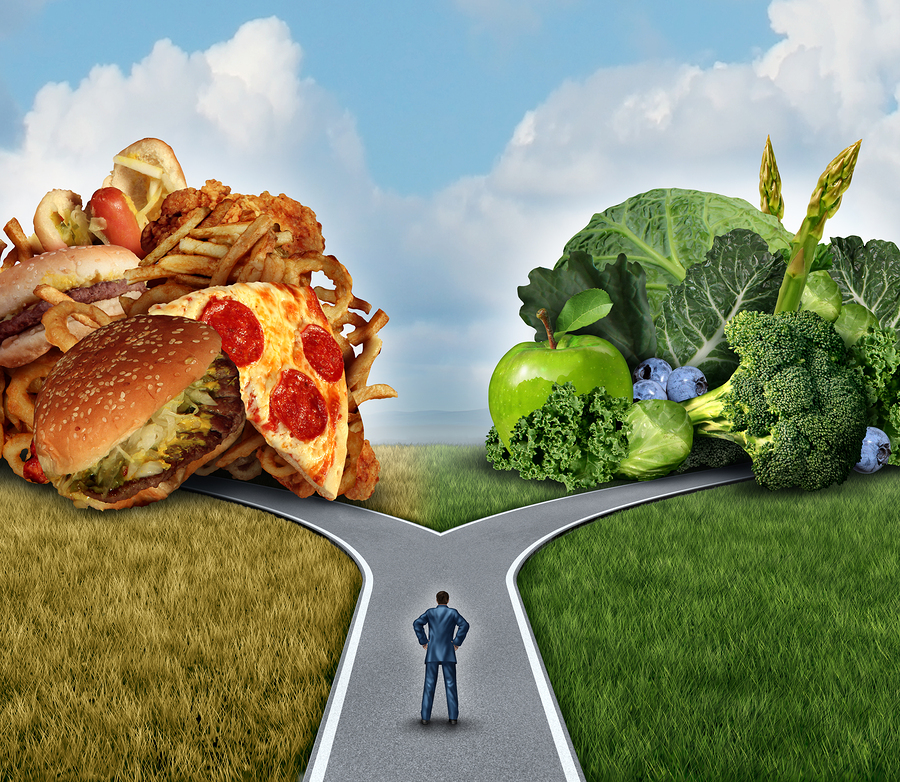
Dr. Katz ended his lecture with the image of you walking along and coming to a fork. To go further you must decide to go on the pathway to your right or on the pathway to the left. You turn on the right pathway by deciding to adopt the principles of the Blue Zones; you make the decision to want to turn older than 100 years and keep your vitality until it is time for you to pass on. In the meantime you enjoy every day, you are not disabled and your mind and body stay healthy. The other pathway was the one that the majority of the industrialized Western nations has taken in the last few decades. Which path will it be that you decide to take?

Conclusion

At the conference Dr Katz and a number of other speakers pointed out how powerful lifestyle is for our body functions. Other speakers stressed the importance of telomeres, the caps of the chromosomes, which comprise the end of the double stranded DNA. With every cell division our telomeres shorten. Stem cells also have telomeres, but they are on average longer than the somatic dells. It probably is like this to be able for stem cells to replace the aging somatic cells.

There is a new logic of a healthy lifestyle is. It says that a healthy lifestyle causes healthy telomeres of somatic cells and of stem cells. This causes health until a ripe old age. I will be blogging about some of the other key talks of the conference in the near future to clarify this point further.

Aug
02
2014

Keep Your Muscles In Older Age

Intuitively you may have noted that older folks who have very little “meat” on them are not as healthy as people of the same age with well-developed muscles.

A research team under the supervision of Dr. Preethi Srikanthan and Dr. Arun S. Karlamangla from the David Geffen School of Medicine at UCLA, Los Angeles, CA decided to measure the muscle mass index instead of the body mass index. They did this using bioelectrical impedance (simple electronic body composition bathroom scales) and they wanted to see whether there would be any correlation with regard to mortality statistics in an older population.

The study group consisted of 3659 participants from the National Health and Nutrition Examination Survey III (average age for males 55 and older, females 65 and older). The survey took place between 1988-1994. Mortality rates were computed by the end of 2004. The median length of follow-up per person was 13.2 years.

The authors of the study compared mortality curves for four subgroups of muscle mass from low to high: 0-25%, 25-50%, 50 to 75% and 75 to 100%. When the lowest muscle mass group was compared to the highest muscle mass group, there was a 20% increased mortality rate for the lowest muscle mass group.

This study had careful controls built in and could demonstrate that the difference was not due to better or worse LDL cholesterol values or triglycerides; it was not due to differences in diabetic rates or other factors. This is the first study that shows in a US based population that a lower than average muscle mass is an independent risk factor for premature death in an older population.

The authors were aware of Danish study that had previously shown that a lower muscle mass was associated with a higher mortality rate in 50 to 64 year-olds.

I like to comment regarding this study by putting it into the context of other medical findings.

Keep Your Muscles In Older Age

Keep Your Muscles In Older Age

1. Older people tend to have more falls

Several studies have shown over the years that older people fall more often because of a combination of balance problems with slower reaction time, and also because of poorer muscle development when compared to a younger age group. The medical costs are staggering when older people reach the age of 85 where about 20% of that subpopulation experience serious falls resulting in hip fractures and hospitalizations. There is a mortality of about 25% associated with hip fractures in that age group. And about 50% of those who survive will not be living independently at 1 year following a hip fracture. Fortunately fractures from falls can largely be prevented by making physical changes to the home to prevent tripping and having extra guard rails where needed. But another important factor is to exercise regularly within the capabilities of the older person to maintain muscle mass, which will balance the body and control upper and lower extremity strength as the person moves around.

2. Fit people live longer

A Stanford University study followed 6000 middle-aged men for 10 years and found that the fittest who exercised regularly were 12% more likely to stay alive for every metabolic equivalent; this is the energy that a sitting person uses in terms of oxygen consumption. They also found that the least fit had a 4.5-fold higher death rate within 6 years from the beginning of the study compared to the fittest.

To put this into perspective: a regular walk at less than two miles an hour would be equivalent to 2 metabolic equivalents, a brisk walk at 4 miles per hour is worth 5 metabolic equivalents and running 6 miles an hour is worth 8 metabolic equivalents. This is how the math works: a regular walk every day translates into 2×12% = 24% more likelihood of staying alive in the next 6 years compared to a sedentary person. A person exercising with a brisk walk with a speed of 4 miles per hour every day would be 5×12% = 60% more likely to be alive in 6 years compared to a sedentary person who does not exercise. Not smoking and having a normal weight would add to your probability of living longer. Pushing yourself to the extreme (running 6 miles per hour) may be problematic for the majority of us as there are issues of getting into adrenal gland insufficiency that can develop, if you over-stress yourself. (This is my comment, not part of the study).

Now you may have wondered about the woman’s side (as the previous study was an all-male study). The answer comes from a recent paper that studied 10 clinical trials throughout the world (US, Denmark, Germany, Sweden, Taiwan and Japan) involving only postmenopausal women. Yes, there is the same surprising finding that regular brisk exercise makes the women live longer with less disabilities and less mortality!

The bottom line: exercise regularly and live.

3. Exercise develops your muscles and maintains them

We were born to use our muscles daily (designed as hunter/gatherers), but in the meantime this is what we do: sitting in front of the computer or TV, in cars, in class (school, university, work) or in the movie theatre. So we need to discipline ourselves to get into a routine that balances all of the other activities. Muscle strength exercises or activities as indicated in this link are the answer.

The earlier we adopt this type of a routine, the better off we are when we reach the golden years of retirement. I am one of the examples of former non-exercisers. Apart from liking to go for long walks 3 to 4 times per week I did no formal exercises until 8 years ago when my wife and I got into ballroom and Latin dancing inspired by “Dancing with the stars”. But it is only about 2 years now that we took up regular gym workouts for 45 to 60 minutes every day. It is now easier for me to walk up on a steep hill in our neighborhood that has an 18% incline than 2 years ago. Muscles need regular exercise. You put a limb in a cast and within 3 weeks most of the muscle strength has melted away. You remove the cast and it will take 3 to 6 weeks of regular exercise to regain the muscle strength. So why not maintain your muscle strength in the first place?

4. Exercise develops cardiovascular fitness

The aerobic part of my daily exercise program (treadmill) develops cardiovascular fitness as the lungs have to work harder and the heart is being activated. Doing this regularly is mimicking going through the landscape looking for food and hunting. Of course most of us drive in our cars to the grocery store and get our food that way. So my balance is to go to the gym and at least once a day get that work-out. What can we expect from fitness training? An NIH study showed that with a moderate work-out of only 2.5 hours per week you will gain 4.5 years of life due to cardiovascular fitness. This is better than money in the account. It is free healthy additional life!

5. Sensible nutrition will help preserve muscle mass

No, I am not taking your food away. I am suggesting that we watch the quality of the food we are consuming. If you are like the average consumer, you may be eating too many carbs in form of pasta, bread, rice and potatoes. Some of you have read in past blogs that my wife and I cut out sugar and starchy foods as well as wheat since 2001. We both lost 50 pounds and kept it down. I know that if I would restart sugar and starchy foods, my fat content would go up, my muscle content down and the BMI up. How do I know? I weigh myself every day on body composition scales (which works by the principal of bioelectrical impedance analysis), which show all of these indicators. Recently I got into some organic Bing cherries. They were delicious, but it also is a fruit with significant sugar content! Within a day I knew that I’d better watch the quantities I consume (fat composition was up, muscles mass down). It took 3 days for my values to be back to normal.

When it comes to muscle mass, overconsumption of refined carbs is one problem; however, our bodies do need quality lean meat and some fish (salmon, mackerel; low mercury fish) as a source of protein. I buy organic meats to get away from the problem of pesticide pollution as much as possible. Some people like vegan food, they may need to supplement with protein supplements.

Conclusion:

It may sound like common sense that a body with well-developed muscles will live longer. You may want to compare this to a well-maintained car (less rust, good maintenance) and the car will still drive well once it has a high mileage.

We have bodies that need maintenance (exercise) and good nutrition (no junk food, sensible diet). If we make this our regular lifestyle, we will develop and maintain muscles. It will keep us in the group with a lower mortality rate compared to sessile persons and junk food consumers.

Nothing happens without any effort. We need to earn muscle fitness for ourselves! Think about it, improve where you need to improve and then maintain it. More than anything else this will pay dividends well into your future.

More information on:

1. Exercise (fitness): http://nethealthbook.com/health-nutrition-and-fitness/fitness/

2. Arteriosclerosis (hardening of the arteries and how to avoid it): http://nethealthbook.com/cardiovascular-disease/heart-disease/atherosclerosis-the-missing-link-between-strokes-and-heart-attacks/


Last edited Nov. 8, 2014


Jul
23
2014

Sunburn Prevention

Much has been written about sunburn prevention. The thinking behind this is that perhaps we could prevent skin cancer and melanoma development, if we would block ultraviolet rays from the sun or from tanning booths irritate our skin.

So far the theory. Now the truth.

1. Increase of skin cancer despite sunscreen applications

It is sobering that statistics of skin cancer frequency show that despite more awareness of the importance of skin protection with sunscreen lotions and creams, skin cancer rates have steadily increased. Behind this paradox is the fact that vitamin D3 production in the skin is blocked from sun exposure and the person is not getting the cancer protecting effect of vitamin D3.

Low vitamin D3 levels (measured as 25-hydroxy vitamin D3) are not only associated with skin cancer, but also with breast cancer, and breast cancer will be reduced to 50% of control groups, if patients are treated with high vitamin D3 supplements. There are many other cancers that respond to exposure to sunlight or to supplementation with vitamin D3.

2. We need to know about infrared rays and the ultraviolet exposure

The ultraviolet radiation of sunlight has been extensively studied. There are UVA rays that range from 315 to 400 nanometers. They make up about 95% of the sunlight and penetrate deeper into the skin (the dermis level) leading to more severe skin damage, producing aged looking skin. UVB rays (5% of sunlight) contain wavelength measuring between 280 and 325 nanometers affecting the most superficial layer of the skin, the epidermis. These rays cause sunburns. Both UVA and UVB are strongest around midday. The sun also produces UVC rays (wave length 180 to 280 nanometers), which are completely absorbed by the ozone layer and are not of importance unless you live under an ozone hole.

Next there is IR (infrared radiation), which has only recently been detected to be of health concern. IR rays range from 760 nanometers to 1 million nanometers (=1 millimeter). It causes skin photoaging and damage. Most of IR is in the lower range (between 760 and 1,440 nanometers); the total amount of IR rays that reach the skin is massive compared to the UV light and 50% of these rays reach deep into the skin to the level of the dermis.

Sunburn Prevention

Sunburn Prevention

3. Filtering out the damaging rays

Armed with the above knowledge we can now talk about sunscreen lotions and sunscreen creams. Traditional sunscreen lotions and creams have been directed against both shortwave (UVB) and longwave (UVA) rays of the sun. UVB blockers prevent damage to the surface of the skin (epidermis level), UVA blockers prevent damage to the deeper dermis. It is in your interest to buy a sun blocking agent that blocks both of these rays. (You have to read labels.)

However, both of these blockers, which means all of the traditional sunscreen agents, will not block IR waves (infrared radiation), which causes most of the wrinkles, age-related skin changes and skin DNA damage, which eventually results in skin cancer.

4. Vitamin D3 deficiency because of sunscreen applications

As we know that sunscreen agents lead to blocking of vitamin D synthesis in the skin, it is prudent to take vitamin D3 5,000 to 10,000 IU per day and have your health care provider order 25-hydroxy vitamin D3 blood levels from time to time (aim for a level of 100 ng/m or more). There is no danger of overdosing vitamin D3. That story about overdosing of vitamins is coming from vitamin A overdosing. There is a ceiling not to be exceeded due to liver toxicity over vitamin A overdosing, but not so for vitamin D3. Vitamin D3 protects not only from skin cancer, but also from other cancers. For more on vitamin D3 read my recent blog on this.

5. Whole body protection from the inside

There are two approaches to using systemic natural extracts. One component is from a tropical fern (Polypodium leucotomos) and another one from blood oranges that can both repair sun damaged skin and prevent sunburn. The effective substances are administered orally.

This fern extract has been tested in smaller clinical trials and was found to have a 70% to 75% efficacy in blocking all sun rays from the inside out.

In a small trial patients were exposed to UVB light after preparation with red orange extract and a 35% reduction of sun burn was found within 15 days when compared to controls.

There is a possibility now to take one capsule with tropical fern extract mixed with red orange extract and combine this with traditional sunscreen agents and have optimal sun protection.

One trial that is mentioned in these last two links is a group of polymorphous light eruption patients who are born with extreme sun sensitivity, but reported an 80% improvement with this oral fern extract treatment.

6. Final recommendations for sunburn prevention

Although the advice given in this WebMD link is useful, it neglects to recommend to supplement with vitamin D3 because of the sunscreen action. It also does not mention the IR waves of the sun that do most of the damage and that only get prevented by staying out of the sun or by taking the oral sunscreen pill (tropical fern extract and red orange extract mixed).

My recommendation, if you were not allergic to ferns, is to consider taking the oral pill (as far as I know currently only available from LifeExtension as “enhanced fern block with red orange complex”) to block the entire wavelength of the sun rays. This will repair some of the skin damage that has already been done. Follow the above WebMD link as well with regard to the sun screen lotions/creams. Also stay out of the noon sun between 11 AM and 2 PM. Take your vitamin D3 in the high dose range as discussed above to preserve optimal resistance against all kinds of cancers including skin cancer.

Conclusion:

In reviewing the facts prior to writing this blog I was quite bewildered how misleading a lot of the literature is regarding prevention of sunburns, particularly by assuming that all you had to do was to block UVB and UVA rays. I attempted to explain why this is an oversimplification, and the skin cancer statistics clearly show that sunscreen blockers alone are not stopping skin cancer. So, we do need a combination of
1. Staying out of the noon sun.

2. Using clothing and wide sun hats to keep the sun out of our faces.

3. Use the traditional sunscreen agents. Reapply, if necessary.

4. Using an oral sunscreen agent that blocks infrared rays as discussed under point 5 and 6.

5. Using vitamin D3 in high doses as discussed under point 4 above for cancer prevention.

With this in mind, enjoy the rest of your summer!

More information on:

1. Sunburns: http://nethealthbook.com/dermatology-skin-disease/sunburns/

2. Different skin types and skin cancer causes: http://nethealthbook.com/cancer-overview/skin-cancer/causes-skin-cancer/

Last edited Nov. 8, 2014

Jun
21
2014

Older Grumpy People Have Higher Risk Of Dementia

Although in this recent study from Finland researchers found that grumpiness in older age seems to lead to dementia at a faster rate, I like to emphasize here that there may be an under lying problem of hormone deficiency.

Other studies have shown that in males low testosterone levels are associated with grumpiness and dementia is setting in sooner in those males who are deficient for testosterone. For older grumpy females it is the lack of progesterone that has been found to be deficient and when you replace it, memory comes back, symptoms of menopause reverse themselves and the grumpiness is gone. Testosterone replacement may be required by as many as 1 in 4 men in the their 40’s as is summarized in the article from Great Britain.

How can we tell whether there is a change in an older man? There are quite a few symptoms that can be seen by loved ones around this man: an increase in abdominal girth, shrinking muscles, lack of energy, irritability. The key is to get him to the doctor and ask the doctor to order a bioavailable testosterone blood test.

According to medical research 84% of men and 62% of women in the age group of 57 to 64 have been sexually active in the previous 12 months. Take an older age group of 65 to 74 and still 67% of men and 40% of women are sexually active. Fast-forward to age 75 to 85 and the rate has dropped to 39% of men and 17% of women (Ref.1). A person’s sexual activity is a barometer how well the hormones are balanced. These figures show that bioidentical hormone replacement has not been well accepted. Women have a reason as they were misled by Big Pharma as was shown in the

Older Grumpy People Have Higher Risk Of Dementia

Older Grumpy People Have Higher Risk Of Dementia

Women’s Health Initiative:

The National Institutes of Health had funded a large study (the Women’s Health Initiative) to clarify what was going on with regard to side effects and effects of HRT.

Unfortunately, synthetic non-bioidentical hormone products were used in these studies (Premarin and Provera) instead of bioidentical estrogen and progesterone. The results of the Women’s Health Initiative were devastating. In 2002 doctors were warned that Premarin and Provera used as HRT would cause increased heart attack rates and breasts cancer, which led to premature death. Overall the placebo group did better than the experimental group and this is why the trial was prematurely stopped. As a result of the wide publicity regarding the negative results of the Women’s Health Initiative postmenopausal women either do not see their physician for hormone replacement or are advised by conventional doctors that only small amounts of Premarin could be used for not more than 5 years for fear of causing breast cancer. Medico-legal considerations are at play and the whole issue of HRT after menopause has been politicized.

Problems now for HRT:

It is like a negative shadow has been cast forward with regard to hormone replacement because of the Women’s Health Initiative. People are still confused and don’t understand that the synthetic hormone-like drugs from Big Pharma are like an ill-fitting key for the hormone receptors in the body whereas bioidentical hormones are the perfect fit.

Otherwise there would not be a 45% drop-off (from 62% to 17%) in sexual activities in women from age 60 to 80. Men have it somewhat easier: their drop rate between age 60 an 80 is also 45% (from 84% to 39%), but as they entered into male menopause 10 to 15 years later than women did with menopause, their sexual activity is still double that of women at the age of 80.

However, if people could overcome their unrealistic fear of bioidentical hormones, hormones that fit the body’s hormone receptors a lot more people would be encouraged to use bioidentical hormone replacements.

What, if the grumpy, old man is willing to see his doctor?

The doctor should look at all of the hormones including a fasting insulin level as hyperinsulinism often complicates hormone replacement. Thyroid, which often is also lowered at an older age should be also tested (T3, T4 and TSH). A saliva hormone test can show a panel of 5 hormones: cortisol, DHEAS, testosterone, progesterone and estradiol. As hormones are in a balance with each other this allows to compute the testosterone to estrogen ratio, which ought to be 20 or higher. But hormones alone are not the answer. There needs to be a combination of proper nutrition (cut out sugar, starchy foods, preferably switch to organic foods to escape the xenoestrogens that foul up your hormone balance), also exercise and use vitamins and supplements. I have summarized all of this in my recent book “A survivor’s Guide to Successful Aging” (Ref.2).

When the hormone tests come back the doctor will likely order the missing hormones (hopefully as bioidentical hormones).

It can take 2 to 3 months before the full effect of bioidentical hormone replacement is seen. But most men will be astounded how well they can feel. He will notice that he does not tire with exercising. His muscle mass builds up; his posture improves. His stamina comes back. He will find that the previously foggy thinking is gone and his thought processes have become clear again. And yes, his sex live comes back. So now he has to talk to his sex partner about her bioidentical hormone replacement so they both can enjoy the benefits!

Hidden benefits of bioidentical hormone replacement:

The bones become stronger, the heart beats harder and better, the brain thinks clearer, because the key organs like the brain, the heart and the bones have the appropriate hormone receptors (in both sexes). No, this is no exaggeration. This can be measured by an exercise tolerance test (for the heart). Bone density can be measured and has been done (2% to 4% increase per year). Brain function is indirectly visible to the people around the person: apart from new vitality, improvements in mood and more energy, the grumpiness is gone and the person is perceived as a pleasant person once again.

Conclusion:

The observation of an “old, grumpy man” when he entered the male menopause is accurate, but should not distract from the fact that he has a responsibility to look after himself. It is important to recognize that it is not only women who enter the menopause, but that men 10 to 15 years later will do the same. Both sexes enter a state of hormone disbalance that is treatable. The answer is to replace the hormone deficiency with the missing bioidentical hormones.

More information on male menopause (=andropause): http://nethealthbook.com/hormones/hypogonadism/secondary-hypogonadism/male-menopause/

References:

1.Rakel: Textbook of Family Medicine, 8th ed., copyright 2011 Saunders

2.Dr.Ray Schilling: “A Survivor’s Guide to Successful Aging“, Amazon.com, 2014

Last edited Nov. 8, 2014