


• Learn about Longevity from the Blue Zones

    Learn about Longevity from the Blue Zones

    People who live in blue zones often turn 100 or older, so we can learn about longevity from the blue zones. The 5 most often cited blue zones are in Okinawa, Japan; Sardinia, Italy; Nicoya, Costa Rica; Icaria, Greece; and Loma Linda, California, United States. But there are many more blue zones throughout the world. … [Read More...]

  • Poor Health is Linked to Loneliness and Social Isolation

    Poor Health is Linked to Loneliness and Social Isolation

    In June 2023 a new study showed that poor health has a link to loneliness and social isolation. It was also reviewed by CNN. There have been many studies in the past examining whether poor health shows an association to loneliness and social isolation. But this new study is different: it is a meta-analysis of 90 … [Read More...]

  • What to Do about Hot Flashes in Menopause

    What to Do about Hot Flashes in Menopause

    This article is regarding what to do about hot flashes in menopause. It is important to realize that 80% of women who transition to menopause develop hot flashes and night sweats. Notably, this happens between 45 years and 55 years for most women. Another key point, two methods to fight menopause are non-hormonal … [Read More...]

  • Telomeres can Protect you from Premature Aging

    Telomeres can Protect you from Premature Aging

    Longer telomeres can protect you from premature aging, and shorter telomeres lead to premature death and various diseases. But recently new research showed that sometimes longer telomeres can be responsible for cancer and lower life expectancy. I will discuss this further below. Some facts about … [Read More...]

  • More Stem Cell Treatments of my lower Cervical and upper Thoracic Spine

    More Stem Cell Treatments of my lower Cervical and upper Thoracic Spine

    Previously treated, I now needed more stem cell treatments of my lower cervical and upper thoracic spine. I reported before about stem cell therapy of my left knee and my spine. My knee continues to do well. I go to the gym for regular exercises and do ballroom dancing with my wife. But my lower neck started … [Read More...]

  • Lung Cancer Screening Program

    Lung Cancer Screening Program

    In 2013 the US Preventive Services Task Force recommended a yearly lung cancer screening program. The target population was age 55 to 80. Specifically, this program was to screen people who currently smoke, or had quit within the last 15 years and had a smoking history of 30 or more pack-years. Screening occurs with … [Read More...]

    Jul
    30
    2023

    Learn about Longevity from the Blue Zones

    People who live in blue zones often turn 100 or older, so we can learn about longevity from the blue zones. The 5 most often cited blue zones are in Okinawa, Japan; Sardinia, Italy; Nicoya, Costa Rica; Icaria, Greece; and Loma Linda, California, United States. But there are many more blue zones throughout the world. These zones contain the most centenarians, people who have reached the age of 100. It is thought that it is the people’s lifestyle that makes them live much longer than the rest of the world.

    Lifestyle of centenarians

    People are active, are bicycling, walking, swimming, constantly on the go and they are careful about what they eat. They stay slim, but are muscular. Their diet consists mostly of vegetables and salads, with very little meat. They may consume a small piece of beef on Sundays, but not during the rest of the week. Fish may be a part of their diet two or three times per week.

    Diet characteristic of blue zones

    Sandee LaMotte published an article on March 4, 2023 at CNN, which describes the diet consumed in blue zones. People in blue zones are active, handle stress well, are close to friends, have a purpose in life and are often members of a social or religious group. They eat mostly a plant-based diet and they stop eating before they are full.

    The food consists of complex carbohydrates. No processed foods are eaten. The American Heart Association says: “Complex carbohydrates, such as beans, peas, vegetables and whole grains provide vitamins, minerals and fiber that can go missing in processed and refined foods. In addition, they are digested more slowly, and the fiber helps you feel full longer.”

    Origin of blue zone foods

    The blue zone food has its roots in the African, Asian, Latino and Native American diets. Dan Buettner originally published an article about the blue zones in the National Geographic Magazine. Recently he published a collection of 100 blue zone recipes in book form.

    The Mediterranean diet is very close to blue zone eating.

    What blue zone meals contain

    Buettner said: “The five pillars of every longevity diet, including the blue zone, are whole grains, vegetables in season, tubers, nuts and beans. In fact, I argue the cornerstone of a longevity diet is beans.” People in blue zones eat similar foods as those who eat a Mediterranean diet, but they do not eat as much fish as people on a Mediterranean diet. People on a blue zone diet don’t eat any milk products. On the other hand, goat and sheep’s milk cheeses such as feta and pecorino are part of the blue zone diet. In the blue zones the consumption of purple sweet potatoes, sesame seeds, fresh vegetables and fruit are the major staples.

    More info about Blue Zone diet

    All of the meals contain complex carbohydrates, micronutrients and a whole variety of fiber.

    Perhaps the important difference to the Standard American diet is that in the blue zone there is a lack of beef, hamburgers, processed foods and highly processed carbohydrates like bread, pasta, sugar-sweetened beverages, salty snacks like potato chips, candies, cookies and processed meats (bacon, sausages or cold-cuts). People in blue zones eat very little bread and if they do, they eat sourdough bread, which does not raise the blood sugar level as the highly refined white bread.

    Recapturing healthy foods

    So, what foods are blue zone people really eating? Tofu, quinoa, mushrooms, lentils, beans, turnip greens, artichokes, asparagus, chickpeas and spinach are the main staples of their nutrition. They stay away from sugar, rarely eat meat (once or twice per week) and otherwise have a healthy lifestyle. Scientists think that longevity comes from the healthy lifestyle and diet, which centenarians practice. Several longevity genes get activated as explained in this publication. This translates into living long lives with very few illnesses and experiencing energy until the end of their lives.

    Learn about Longevity from the Blue Zones

    Learn about Longevity from the Blue Zones

    Conclusion

    We can learn a lot from observing what centenarians eat and do. Scientist have investigated the lifestyle of people living in blue zones in various parts of the world. These zones contain the most centenarians, people who have reached the age of 100. People in blue zones eat mostly vegetables and very little red meat. They avoid sugar and processed foods. But they are also very active, have a rich social life and allow themselves enough sleep. Scientists accumulated evidence that genetic longevity switches are activated by the life style of people living in blue zones. It is the activation of these epigenetic switches that are responsible for the longevity of people in blue zones.


    Jul
    15
    2023

    Poor Health is Linked to Loneliness and Social Isolation

    In June 2023 a new study showed that poor health has a link to loneliness and social isolation. It was also reviewed by CNN. There have been many studies in the past examining whether poor health shows an association to loneliness and social isolation. But this new study is different: it is a meta-analysis of 90 prospective studies with follow-up from 6 months to 25 years. The study included only persons age 18 years and older. There was a total of 2.2 million participants. The study specifically examined the links between loneliness, social isolation and early death.

    The Meta-analysis

    This new meta-analysis is significant, because with such a high number of participants the statistical strength is much better than with smaller studies. All of the 90 studies examined were prospective studies. The meta-analysis showed the difference between controls and various experimental groups suffering loneliness, social isolation and early death. The researchers identified independent risk factors of subsets among the 2.2 million subjects as discussed further below.

    Loneliness

    The definition of loneliness in the study was the subjective distress people feel when there is a discrepancy between the social relationships they have and what they want. If their is no fulfillment of the need for connection or intimacy in their relationships, this too can be a source of loneliness. There is increased isolation of Americans due to the increase in TV watching, spending more computer time and increase in cell phone use. This is loneliness by choice. But very few know that this can cause disease.

    Social isolation

    When people are under social isolation, they are under chronic stress, which translates into disease. In the statistics below it is apparent that cancer and cardiovascular mortality show a significant elevation from social isolation. In women with breast cancer there was a 51% increased mortality due to social isolation.

    Findings of the study

    Here are the findings form the metaanalysis. All the findings of patients suffering from loneliness and social isolation were in comparison to control groups without social deprivation.

    • There is a 32% all-cause mortality from loneliness and social isolation
    • Loneliness is responsible for a 14% increase in mortality compared to those who are not lonely
    • There is a 24% increased cancer mortality due to social isolation
    • Social isolation is responsible for a 34% increase of cardiovascular mortality
    • Socially isolated individuals with cardiovascular disease had a 28% increased all-cause mortality
    • Socially isolated women with breast cancer had a 51% increased all-cause mortality

    Life style factors part of loneliness and social isolation

    Turhan Canli, a professor of integrative neuroscience in the department of psychology at New York’s Stony Brook University had no involvement in the study. He said: ”People who feel socially isolated or lonely tend to have unhealthy habits, such as smoking, alcohol use, poor diet or little exercise. Having a small social network or little to no contact with the outside world can also make someone less likely to receive medical care if they don’t have anyone checking on them.”

    Broadening social connections

    We learnt how devastating loneliness and social isolation are for your health. It follows from this that the solution is to concentrate on broadening social connections as a preventative measure. Canli said: “Think of maintaining a social network like any other health-promoting activity: exercising regularly, eating well, looking after yourself.” Cultivate your social connections with a higher priority than in the past. Engage in new circles of like-minded people. Seek opportunities out like joining an exercise class or a discussion group.

    "<yoastmark

    Conclusion

    Loneliness and social isolation are a real entity that threatens all of our health. A meta-analysis of 90 prospective studies (6 months to 25 years of follow-up) including more than 2 million people showed the following. There is a 32% all-cause mortality from loneliness and social isolation. Cancer mortality is up 24% due to social isolation. Socially isolated individuals with cardiovascular disease had a 28% increased all-cause mortality. Socially isolated women with breast cancer had a 51% increased all-cause mortality. There were more findings than these. Overall, this stresses the importance to cultivate your social connections, which prevents social isolation and loneliness. You will stay healthier for longer and not die prematurely.

    Jul
    01
    2023

    What to Do about Hot Flashes in Menopause

    This article is regarding what to do about hot flashes in menopause. It is important to realize that 80% of women who transition to menopause develop hot flashes and night sweats. Notably, this happens between 45 years and 55 years for most women. Another key point, two methods to fight menopause are non-hormonal methods including a new FDA approved drug and estrogen/progesterone therapy to replace missing hormones. Below I am reviewing both methods.

    Non-hormonal methods to fight hot flashes

    June 7, 2023 CNN published a review article about non-hormonal methods to fight hot flashes. In the article health professionals pointed out that there are a number of steps that the menopausal woman can take to lower the number and intensity of hot flashes. Indeed, menopausal symptoms include not only hot flashes, but also chills, night sweats, sleep problems, mood changes, vaginal dryness and pain during sex. It is important to realize that some women are not good candidates for hormone therapy, because they have a family history of estrogen-dependent cancers, cardiovascular disease, stroke, blood clotting disorders, deep vein thrombosis and chronic liver disease. The North American Menopausal Society just published the 2023 update to their recommendations for non-hormone therapy of menopause.

    A new drug blocking hot flashes and night sweats

    In this recommendation a new FDA approved drug is included. The pharmacological name is fezolinetant, the brand name is Veozah. To point out, this drug targets the neural activity in the brain that causes hot flashes and night sweats. It binds to the NK3 receptor, which regulates body temperature. The end result is a block of the KNDy (pronounced “candy”) neurons in the brain. To emphasize, these consist of kisspeptin, neurokinin B and dynorphin. The initials led to the abbreviation of the KNDy neurons (pronounced “candy”). To explain, the most common side effects are nausea and headaches. The only other medications that the FDA recognizes as effective for hot flushes and night sweats are low dose SSRI antidepressants.

    Other recommendations of the 2023 non-hormone therapy of menopause update

    By all means, triggers like caffeine and alcohol overconsumption and smoking should be avoided. Weight loss and cognitive therapy are reducing hot flashes. Clinical hypnosis is also effective as a treatment, as is Gabapentin. Specifically, a low-fat, plant-based diet and a half-cup of cooked soybeans per day led to a 88% reduction in moderate to severe vasomotor symptoms (hot flashes). Researchers compare this to a group with no dietary changes over 12 weeks.

    Despite all of these measure menopausal women on hormone replacement did feel a lot more improvement.

    Hormone replacement with estrogen and progesterone

    Before we discuss this further a quick review of the Women’s Health Initiative in 2002 is necessary. This was a large study that showed that on Premarin and Progestin, two synthetic hormone products, women came down with breast cancer, heart attacks, stroke, and thromboembolic events. They were using the synthetic drugs conjugated equine estrogen and medroxyprogesterone acetate. The reason these women had to suffer these side effects was because their physicians insisted in using hormones from drug companies rather than compounded bioidentical hormones. But these synthetic hormones were not pure hormones; they were adulterated with side chains. These side chains made the synthetic hormones not fit the body’s hormone receptors. And this is the reason why the synthetic hormones created chaos in form of breast cancer, strokes and heart attacks.

    European trials regarding bioidentical hormone treatment

    However, studies in Europe showed over many years that hormone replacement with bioidentical estrogen and progesterone creams from compounding pharmacies have no deleterious side effects, but replace the action of the missing hormones in menopause. Women lose their hot flashes and night sweats, regain their previous energy and sleep again through the night. Here is a link what the Mayo Clinic recommends to treat menopause.

    Present day recommendation from regenerative physicians

    The key about hormone replacement after menopause is to balance estrogen replacement with bioidentical progesterone. The ratio of the two hormones needs to be about 200:1 (or higher) for progesterone versus estrogen. Estradiol, which is the main estrogen in women is a mild carcinogen when not properly balanced with progesterone. By having higher progesterone dosages for hormone replacement, the body is protected from cancer and other side effects. Dr. John Lee years ago coined the term “estrogen dominance”. He also recommended the ratio of 200:1 of progesterone versus estrogen to balance the two hormones. A postmenopausal woman can apply a bioidentical BiEst cream (estrogen) to her skin and combine this with a bioidentical progesterone cream. Alternatively, she may prefer to take oral progesterone (Prometrium) 100 or 200 mg at bedtime. These tablets consist of crystallized bioidentical progesterone. None of this will cause cancer or other detrimental conditions.

    What to Do about Hot Flashes in Menopause

    What to Do about Hot Flashes in Menopause

    Conclusion

    Recently a publication describes a new drug that helps with hot flashes. The pharmacological name is fezolinetant, the brand name is Veozah. It blocks special neurons in the brain that are responsible for hot flashes. But possible side effects of this drug are nausea and headaches. Contrary to this there is no side effect with bioidentical hormone replacement when the physician balances the concentration of estrogen and progesterone. In this case the hormone balance prior to menopause simply returns. In this case her hot flashes and other menopausal symptoms simply stop. Anti-aging physicians in Europe have shown decades ago that the described combination of BiEst and Prometrium is safe, contrary to the synthetic drugs that were used in the Women’s Health Initiative where women died from heart attacks, breast cancer and blood clots.

    Jun
    17
    2023

    Telomeres can Protect you from Premature Aging

    Longer telomeres can protect you from premature aging, and shorter telomeres lead to premature death and various diseases. But recently new research showed that sometimes longer telomeres can be responsible for cancer and lower life expectancy. I will discuss this further below.

    Some facts about telomeres

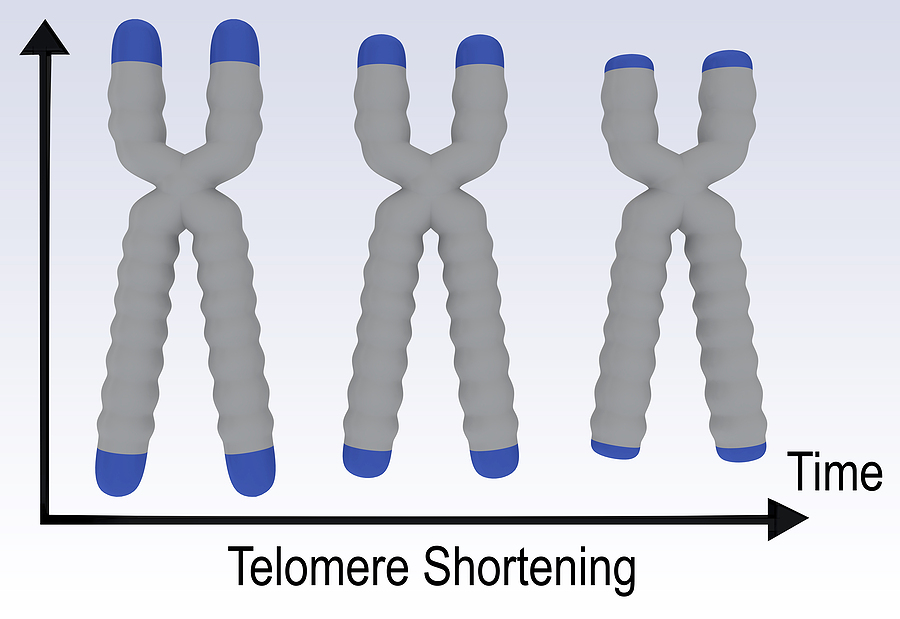
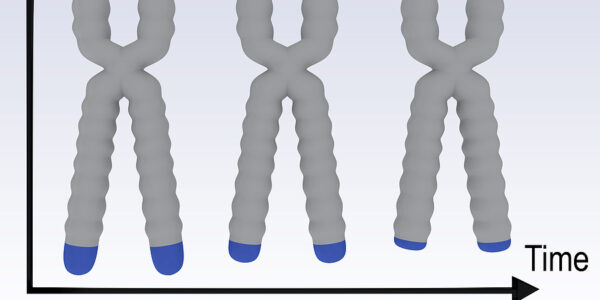
    Telomeres are the caps on the chromosomes that do not contain genes, but are important for cell division. When cells divide, the DNA with all the genetic information about us replicates. With cell division each copy of our DNA ends up in a new cell, but the telomere gets shorter with every cell division. The enzyme telomerase is able to lengthen our telomeres. A healthy Mediterranean diet, regular exercise, not smoking cigarettes, sleeping 7 or 8 hours every night are all factors that stimulate elongation of our telomeres. When telomeres are short, they can no longer divide, but the cells turn into senescent cells. They no longer divide, but they stay metabolically active and are significant in the diseases of the aging. They cause osteoarthritis, hardening of the arteries and cancer.

    Mice with hyper-long telomeres live much longer than control animals and they have lower LDL cholesterol levels.

    Animal studies confirm that short telomeres mean shorter lifespan

    There were animal studies that showed that telomeres shorten more slowly in long-lived birds and mammals.

    A study looked at the telomere shortening rates of different animal species. They found that those species that had the fastest telomere shortening rate were also the ones with the shortest life span.

    Shorter telomeres can also cause several chronic health conditions.

    Telomerase helps to keep telomeres from shortening

    An important ingredient in every body cell is the enzyme telomerase. It attaches to telomeres and adds DNA to telomeres thus elongating them. Many healthy lifestyles increase telomerase and help shortened telomeres to get longer again.

    What preserves the length of your telomeres?

    I have previously reviewed factors that elongate telomeres. Here is a summary of this information.

    Telomere length enhancers

    1. Lifestyle changes can have positive effects on telomere length. Examples are smoking cessation, weight loss and stress reduction.
    2. Dietary changes: we know that fish oil (omega-3 fatty acids) supplements elongate telomeres as does a low-fat diet.
    3. Supplements like vitamin D3, antioxidants (vitamin C and E) and astragalus (TA-65) elongate telomeres as well. The astragalus supplement, TA-65 showed a significant elongation of telomeres after 12 months while controls lost telomere length.
    4. Exercise: in a 24-week experiment of care workers regular aerobic exercise increased the telomeres by 67.3 base pairs.
    5. Bioidentical hormone replacement in aging people: when hormones are missing after andropause and menopause, the natural hormones need replacing, or the telomeres are shortening.
    6. High cortisol levels cause telomere shortening.
    7. Human growth hormone elongates telomeres via telomerase activation.
    8. The fasting mimicking diet (FMD) was shown to extend life and telomeres as well.

    Conflicting research about longer telomeres

    A publication in the New England Journal of Medicine dated May 4, 2023 showed that patients with a POT1 mutation had long telomeres. This mutation caused cancers, brain tumors, B- and T-cell lymphomas and bone marrow cancers. The long telomeres facilitated cancer growth. Normally this type of mutation is rare and in patients without this mutation long telomeres would lead to longevity.

    Dr. Joshua Berkowitz, the Medical Director of IV Boost UK, said that further research needs to focus on the following: “Identifying genetic and epigenetic factors that contribute to aging and longevity, understanding the role of the microbiome in aging and longevity, and investigating the role of senescent cells in aging and age-related diseases.”

    Telomeres can Protect you from Premature Aging

    Telomeres can Protect you from Premature Aging

    Conclusion

    Our telomeres are needed for cell division. When telomeres get shorter with age there is a consensus that this leads to a potentially dangerous situation. The cells turn into senescent cells. They no longer divide, but they stay metabolically active and are causing the diseases of the aging. These are osteoarthritis, hardening of the arteries, cancer and many more. On the other end of the spectrum with regular exercise, a Mediterranean diet and a normal weight, telomeres can get elongated, which for most people means a longer life expectancy. However, recent research showed that patients with a POT1 mutation are vulnerable to facilitating cancer growth and premature death. Fortunately, the POT1 mutation is rare. Future research will clarify what the safest way is to achieve longevity.

    Jun
    05
    2023

    More Stem Cell Treatments of my lower Cervical and upper Thoracic Spine

    Previously treated, I now needed more stem cell treatments of my lower cervical and upper thoracic spine. I reported before about stem cell therapy of my left knee and my spine. My knee continues to do well. I go to the gym for regular exercises and do ballroom dancing with my wife.

    But my lower neck started aching again after about 3 months. Surprisingly, the lower back stayed well. This is where I had stem cell treatments of the facet joints of L4 to S1 one year earlier. I have chronically poor posture in the lower cervical/upper thoracic spine. It is not surprising that some of the symptoms of chronic pain in my lower neck/upper thoracic spine came back. My chiropractor told me that it was the C4/5 area of the lower cervical spine and the T3/4 area of the thoracic spine, which were stiff and likely caused my recurrent pain.

    Specific details of my repeat stem cell treatment

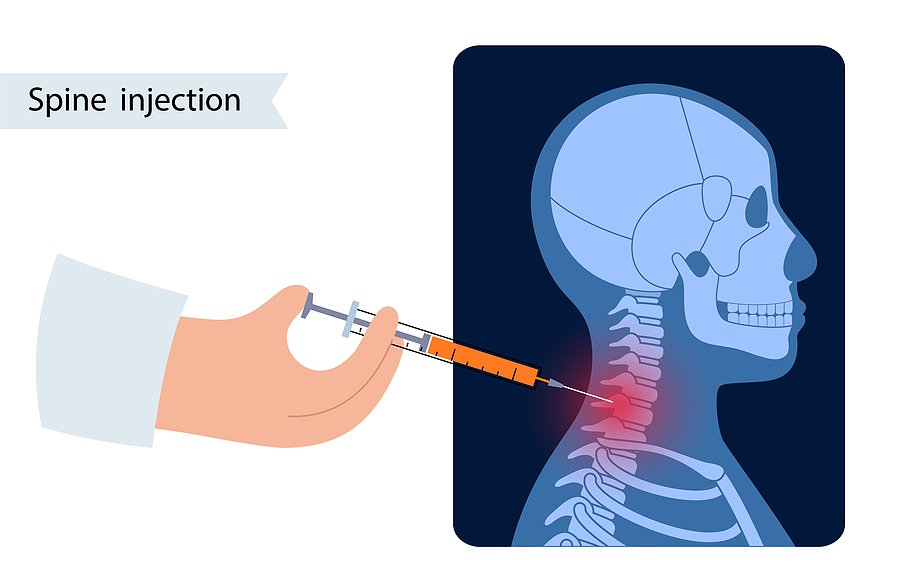
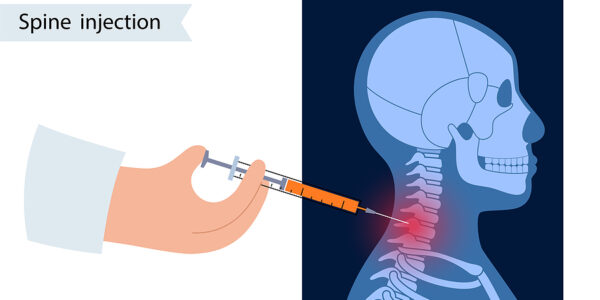
    I saw Dr. Weber on March 27 and 28. He did a liposuction on March 27, 2023. The fat sample was processed in a cell separator to get a highly concentrated stem cell fraction. I received a portion of this in normal saline intravenously. On March 28 Dr. Weber inserted interstitial needles right down to the facet joint bones of C4/5 bilaterally and to T3/4 bilaterally. Each side received 1.5 ml of stem cells and PRP. PRP stands for platelet rich plasma, which contains growth factors to stimulate the stem cells. I explained this in detail under the above link regarding last year’s treatment. Subsequently Dr. Weber used several laser frequencies for 20 minutes each to stimulate the injected stem cells, after which he removed the interstitial needles.

    Follow-up following stem cell treatment

    For about two weeks I felt a slight increase of pain in the injected areas. But using the Weber Laser watch with extension I treated the lower neck/upper back daily. This halved the pain and made it acceptable. In the third week after treatment, I occasionally forgot to treat with the laser, because the pain had improved. In the fourth week after the treatment, I treated my neck and upper thoracic spine only two to three times per week. My range of motion in the neck has improved by about 30%. My dance instructor noted that my upper back posture has significantly improved.

    Discussion

    When you read about stem cell treatments, you often get no information about follow-up data. Others tell you that one treatment would be good for 10 to 15 years. My own experience tells me differently. My left knee seems to be cured of the degenerative changes it presented with before. But my lower neck/upper thoracic spine suffered postural problems and stiffness since age 12. This means that we are trying to cure 66 years of poor posture with one session. Obviously, this is not likely to happen. I can be glad, if there is a gradual improvement and that pain issues are dealt with as time goes on. The good news is that stem cells will always be in my fat tissue as a potential resource. If needed, I can always return in 1 or 2 years and have another stem cell treatment to my lower neck/upper thoracic spine area and see more improvement as a result of this.

    More Stem Cell Treatments of my lower Cervical and upper Thoracic Spine

    More Stem Cell Treatments of my lower Cervical and upper Thoracic Spine

    Conclusion

    Stem cell therapy from your own fatty tissue is an accepted treatment modality for degenerative changes in joints. These joints can be knees, hips, but also the small facet joints along the spine. Here I am describing a follow-up treatment for lower cervical/upper thoracic spine pain. One treatment alone may not give you complete relief. But stem cell treatments can be repeated in the next one or two years to get more relief than before. I do not know how many more treatments I will need, but I know that there is considerable improvement for a 66-year-old postural problem even now after two stem cell treatments. Time will tell, if I will become completely pain free. The important message to learn from this is that stem cell therapy can be repeated when it is only partially effective. You carry with you an endless supply of stem cells that you can tap into when you need it. And you can be certain that each treatment will result in improvement.

    May
    20
    2023

    Lung Cancer Screening Program

    In 2013 the US Preventive Services Task Force recommended a yearly lung cancer screening program. The target population was age 55 to 80. Specifically, this program was to screen people who currently smoke, or had quit within the last 15 years and had a smoking history of 30 or more pack-years. Screening occurs with a special CT scan using low-dose radiation for lung screening. In the US Medicare and Medicaid reimburse residents for the cost of this procedure. The BCMA Journal describes the introduction of a similar lung cancer screening program in BC since May 2022. In the US the lung cancer mortality experienced a 20% drop since the introduction of the lung cancer screening program. This is because physicians now find lung cancer at stage 1 where treatment with surgery, radiotherapy or chemotherapy is much more effective.

    Feasibility of a lung cancer screening program

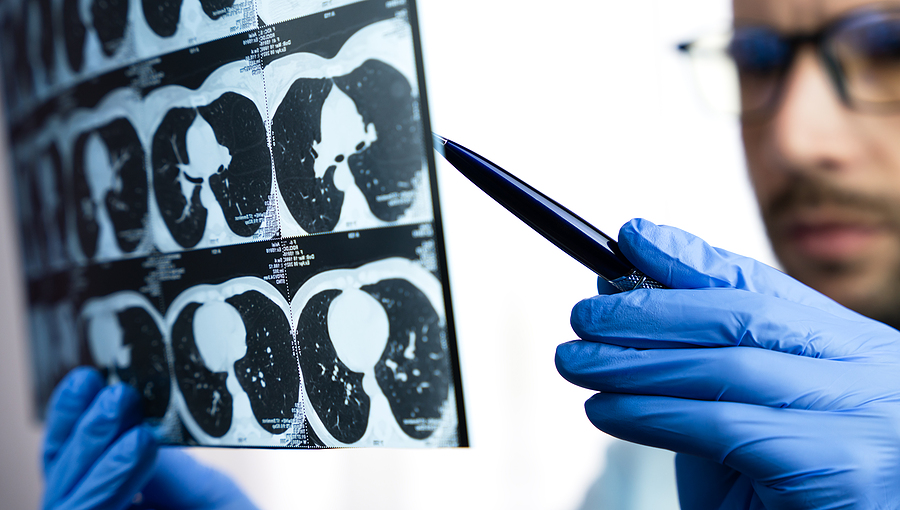
    Typically, with the conventional plain X-ray screening of symptomatic patients 40% of them, which radiologists diagnosed had lung cancer at a late stage, namely stage 4. At that stage the 5-year survival is less than 10%. However, now they diagnose patients with early lung cancer at stage 1 using a low-dose CT scanner with the lung cancer screening program. At this stage the 5-year survival rate is 73% to 90%. We know that the main lung cancer cause is cigarette smoking, the second cause is the aging process.

    Lung cancer screening program free for patients

    Similarly to the US the government sponsors the BC Lung Cancer Screening Program with no cost to the patient. With yearly checks the low-dose CT scanner detects early lung lesions that are highly suspicious of lung cancer. The screening program includes the higher age group and the ones who were heavier smokers. This is the highest lung cancer risk group, which benefits most from the lung cancer screening program.

    What happens when the lung cancer screening program identifies early lung cancer?

    With all the nodules that the CT scan screening finds, some have the features of suspicious nodules that require biopsy to check histologically whether or not there is lung cancer present.

    Various methods to do lung biopsies

    The simplest way for the physician to do this is by way of a bronchoscopy, where he inserts a needle into the nodule and retrieves a tissue sample. The pathologist analyzes this biopsy under the microscope. Not all suspicious nodules are within easy reach by bronchoscopy. If a lesion is located close to the lung surface the physician can do a needle biopsy through the skin (transcutaneous biopsy or transthoracic biopsy). Some patients require a biopsy using video-assisted thoracic surgery, which is performed under general anesthesia. Other patients require an open biopsy, which the chest surgeon performs under general anesthesia. In this case the chest surgeon opens the chest cavity and removes a piece of lung tissue, which the pathologist later analyzes for cancer.

    Test to determine the extent of the lung cancer

    The lung cancer stages are: stage I, II, IIIA, IIIB and IV. Following the initial X-ray, the physician will order an MRI or CT scan in order to determine whether the lung lesion was the only finding or whether there were metastases nearby. The MRI/CT scan can show whether or not there is involvement of the lymph glands in the chest or not. If there are lymph glands in the chest, a thoracic surgeon may be called in to do a mediastinoscopy, where the surgeon can look into the space between the lungs and the rib cage and assess the extent of the metastases in this otherwise difficult to assess space.

    Distant metastases

    The oncologist will want to continue to do the staging tests by doing CT scans of the liver, the adrenal glands and the brain to determine whether distant metastases are present. Blood tests and bone scans will rule out bone metastases. Finally, when all this information is gathered, the oncologist can do what is called an” extent of disease evaluation”. The following could be found for the various stages.

    Extent of disease evaluation: Staging of lung cancer

    Stage:

    I : solitary lung tumor of less than 3 cm (=1 1/4″) in diameter

    II : tumor more than 3cm(= 1 1/4″) in diameter, local lymph gland metastases on the same side as the tumor

    IIIA : peripheral lung tumor: invaded the chest wall; central lung tumor: invaded distal mediastinal nodes on the same side

    IIIB : same as stage IIIA, but more extensive lymph gland invasion involving mediastinal organs and pleural cavity

    IV : Any of the above stages, but in addition distal metastases

    Is it wasted time to do the staging procedure?

    Why are oncologists “wasting time” to do the staging procedures? Studies over several decades have taught us that treatment of cancer without staging often gives everyone a false sense of security, where they learn later that the real extent of the cancer was much worse than originally thought. While everyone was thinking no further therapy was necessary, the cancer quietly multiplied and spread until it was too late to do anything about it. With the progress in the treatment of childhood leukemia oncologists learnt that long-term survival and cure rates could show significant improvement with adequate staging in the beginning and by following appropriate treatment protocols. In the last few years this has paid off for lung cancer as well.

    Treatment of lung cancer

    When the oncologist does an “extent of disease evaluation” he can discuss with the patient and the family what stage the lung cancer is in and what the chances of survival for the lung cancer are based on a vast amount of knowledge. There is a discussion of treatment options in detail and the oncologist can tailor the therapy to the needs of the patient. In principle, the approach to treat stage I and II is mainly by surgery to remove all cancer within the healthy surrounding tissue.

    Surgical risk and treatment of stage III and IV

    With an oncological or thoracic surgeon this kind of surgery has only a mortality of 1% to 8%. In younger patients this risk is lower, in patients above 75 years of age the risk is higher. With surgery higher survival rates are achievable (up to 80 % in stage I, up to 50% in stage II). Stage IIIA can be managed surgically, but stage IIIB needs another approach. Usually with this stage as well as with stage IV radiotherapy and combination chemotherapy is needed.

    Lung Cancer Screening Program

    Lung Cancer Screening Program

    Conclusion

    In the US a lung cancer screening program is in place since 2014. Since then, lung cancer mortality has dropped 20%. Also, in 80% of cases lung cancer is in stage I, the earliest form of lung cancer. In the past the majority of diagnosed lung cancer was in stage IV with a 5-year survival of only 5-10%. Now with the CT scan lung cancer screening program the 5-year survival is 73% to 90%. Treatment is mostly surgical for earlier-stage lung cancer (stage I, II and IIIA). For stage IIIB and stage IV a combination of surgery, radiation therapy and possibly chemotherapy is in use. The emphasis is on smoking cessation and yearly screening with a low-dose CT scanner.

    May
    07
    2023

    Colorectal Cancer in a younger Population

    There seems to be a trend that physicians see colorectal cancer in a younger population. In the past colorectal cancer was almost solely confined to people above 50. But now some people get diagnosed as early as 35 years or 40 years.

    On March 10 CNN published a report from Sara Stewart, a film and culture writer.

    Example of person who was diagnosed with colorectal cancer at age 45

    She describes that she was diagnosed at age 45 with a stage 3 colon cancer. She thinks that the medical profession does not pay enough attention to toxins that may be causing colorectal cancer. Statistics show that colorectal cancer among younger patients than colorectal cancer among younger patients than 55 increased increased from 11% in 1995 to 20% in 2019.

    At the same time colorectal cancer has decreased from 66 per 100,000 in 1985 to 35 per 100,000 in 2019. This means the incidence of colorectal cancer almost halved in 34 years.

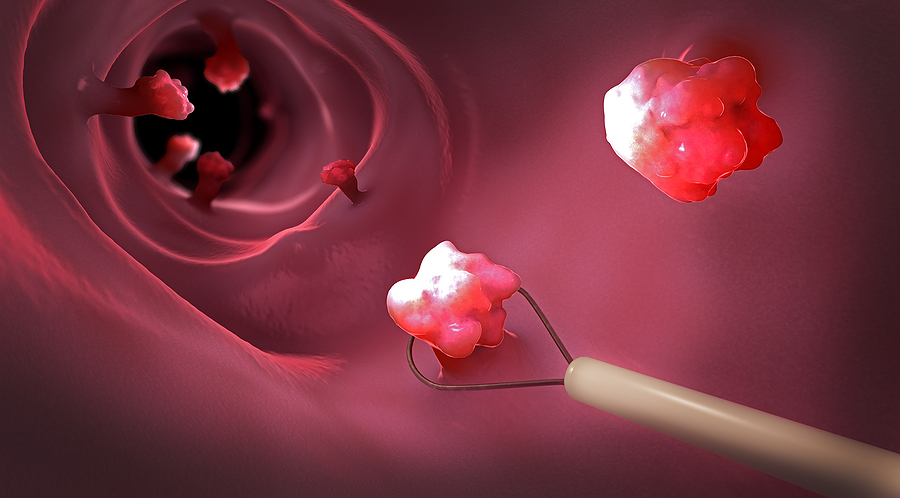
    Since the 1980’s doctors did colonoscopies on a large scale, which contributed to the rates of colorectal cancer decreasing. With a colonoscopy the doctor removes any identified polyps, which otherwise convert into colorectal cancer. It is a preventative procedure, which is very effective in preventing this cancer.

    Colonoscopy screening

    Earlier on the medical profession recommended screening with colonoscopy at age 50 and beyond; now the recommendation is from 45 onward. But more and more people are coming down with colon cancer at younger and younger ages, like 30 to 35. With a screening colonoscopy at the age of 30, the doctor can prevent these cancers because he/she removes colorectal polyps that are precursors of cancer. If the physician does not find a polyp at the age of 30, the next screening could take place at age 38 or 40. With a positive polyp test further screening could take place every 3 years. This would prevent a lot of colorectal cancers.

    Statistics of colorectal cancer in a younger population

    Newer cancer statistics show the following:

    • In the US from 2011 to 2019, colorectal cancer rates increased 1.9% each year in people below the age of 55.
    • In younger than 50-year-old patient death rates from colorectal cancer climbed 1% each year. At the same time the overall death rate of colorectal cancer fell 57% between 1970 and 2020 (largely due to the effect of doing colonoscopies).
    • There are huge differences in cancer rates of colorectal cancer in different states: Utah colorectal cancer rates were lower: 27 cases per 100,000 people; in contrast, the number was 46.5 per 100,000 in Mississippi. This points to environmental/industrial factors playing a larger role in causation of colorectal cancer.

    Causation of colorectal cancer in a younger population

    In 2020 the National Cancer Institute reported about scientists “examining factors in the environment as potential causes of early-onset colorectal cancer. Such factors include air and water pollution, chemicals in soil and food, and pesticide use.” In some cases, there may be adverse lifestyle factors at play like poor diets (too much fat, too much meat and junk foods), excessive weight and lack of exercise. Dr. Kimmie Ng, director of the Young-Onset Colorectal Cancer Center at the Dana Farber Cancer Institute, told NBC News the following.

    Environmental factors causing early colorectal cancer

    “It isn’t just diet and lifestyle, there is something else. We see so many young patients with colorectal cancer who follow very healthy lifestyles and diets.” Dr. Folasade P. May, an associate professor of medicine in the University of California, Los Angeles Vatche and Tamar Manoukian Division of Digestive Diseases added: “When something is affecting people who have their birth years in common, then we know it’s something in the environment that has led this whole group of people to have higher rates. Among industrial poisons benzene, asbestos, vinyl chloride, radon, and arsenic are examples of toxic substances that can increase the risk of cancer to those who are exposed.”

    Colorectal Cancer in a younger Population

    Colorectal Cancer in a younger Population

    Conclusion

    On the one hand colorectal cancer has decreased in frequency by almost 50% between 1985 and 2019. But on the other hand, colorectal cancer in the younger population has a much earlier onset, way before the previously common age of 50. Doctors find the cancer at a later stage, which has a higher mortality rate. Experts expect environmental factors to play a role like exposure to benzene, asbestos, vinyl chloride, radon, and arsenic. In addition, air and water pollution, chemicals in soil, food, and pesticide use could play a role. In some cases, there may be adverse lifestyle factors at play like poor diets (too much fat, too much meat and junk foods), excessive weight and lack of exercise.

    Start initial colonoscopy screening at age 30

    The solution to this problem could be a very early colonoscopy screening around the age of 30. In the case of an examination that is negative for polyps at age 30, the next screening could take place at age 38 or 40. With a positive test for polyps at age 30 further screenings could take place every 3 years. This would prevent a lot of colorectal cancer in the younger age population.

    Apr
    23
    2023

    Help with Menopausal Symptoms

    At the 30th A4M Conference mid-December Dr. Anna Cabeca lectured about “Help with menopausal symptoms”. A4M stands for “Conference of the American Academy of Anti-Aging Medicine”. It is a yearly event at the Sand Conference Center of the Venetian Palace in Las Vegas. The following is a summary of the very detailed lecture by Dr. Anna Cabeca.

    Definition of postmenopausal symptoms

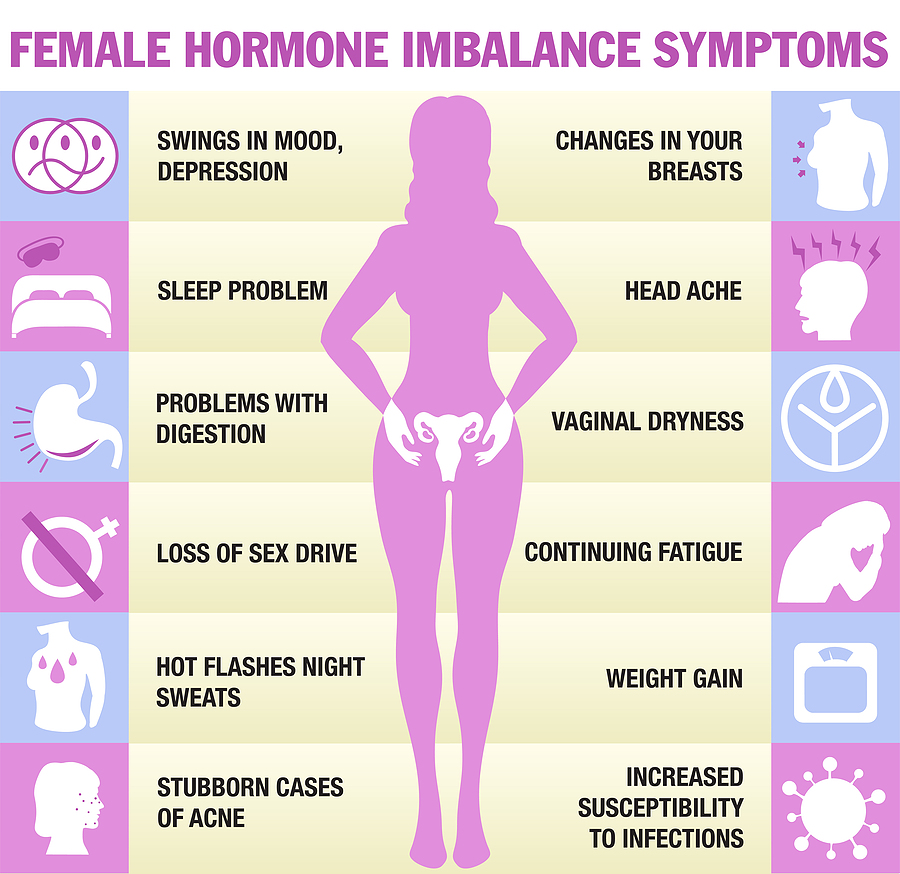
    Dr. Cabeca’s detailed title for her lecture was: “Menopause: Hot flashes, brain fog and vaginal dryness; 3 symptoms women don’t have to experience.” The first thing to remember is this detailed list of symptoms of menopause:

    • Hormones are disbalanced
    • Unusual behaviors and moodiness
    • Gaining weight (accumulating fat)
    • Tiredness
    • Loss of willpower
    • Sleep disturbance: can’t sleep or sleeps all the time
    • Brain fog and memory problems
    • Lost your “edge”
    • No sex drive
    • Aging rapidly
    • Hair loss
    • Thyroid problems
    • Hysterectomy (to remedy excessive periods)

    Hormone changes with menopause

    To clarify, there are major hormone changes with menopause as follows. To explain, at the age of 35 progesterone suddenly experiences a major reduction, which completes by the age of 45. In contrast, estrogen levels remain high until the age of 40 when it, too is reduced to background activity by the age of 50. In fact, at this point estrogen production is still more than progesterone synthesis. This is the basis of what is called estrogen dominance.

    In general, symptoms of estrogen dominance are: PMS, hot flashes, night sweats, mood swings, weight gain, vaginal dryness, brain fog, irregular periods, less libido, missing or increased periods, bone loss and sleep disturbance.

    To emphasize, the production of male hormones, DHEA and testosterone, slows down around the age of 30 and reaches a low plateau around the age of 45. This explains, for example, the lack of sex drive mentioned above. In addition, it is also partially responsible for brain fog, tiredness, hair loss and unusual behaviors and moodiness.

    Perimenopause and menopause increase risk for diabetes

    By all means, there is a clear relationship between age and the risk of developing diabetes in both males and females. But it must be remembered that the hormone weaknesses in combination with weight increases can also trigger diabetes.

    Head-to-toe patient work-up

    There are two parts to a patient’s work-up, a thorough assessment and a patient’s education.

    The patient’s assessment includes:

    • Energy, mind, spirit
    • Hormone balance
    • Inflammation
    • Assessment of diet and nutritional intervention
    • Gastrointestinal health and digestion
    • Detoxification
    • Structural investigation

    Surely, another key point is that patient education is important to be successful in the multiple step intervention to normalize the metabolism, shed excessive weight and help the patient to refocus.

    Comments to the patient’s assessment

    Indeed, the display of energy in a patient is closely related to hormone balance. Notably, when hormones are measured and they are out of balance, this usually explains the multiple symptoms. It is important to realize that inflammation is measured with the high-sensitivity CRP blood test. This test measures the level of inflammation. Initially, the level may be 30, but with weight loss it often normalizes with values of 2 or 3. At the same time weight loss stabilizes blood sugar (indicated by an initially high, but later normalizing hemoglobin A1C) and diabetes can completely disappear. Frequently, an analysis of the diet often shows that the patient is eating too much sugar and starchy foods.

    Faulty nutrition, heavy metals and osteoporosis

    In addition, many patients also eat too much meat and processed meat products, which leads to elevated cholesterol and triglycerides. Also, introducing more vegetables and fruit reduces lipids in the blood. Certainly, patients’ blood tests often show high levels of heavy metals like mercury, lead and cadmium. This can be chelated out with intravenous EDTA. Often 6 treatments at weekly intervals will rid the body of these toxins from pollution and the consumption of fish that has high mercury content.

    Structural investigation of the bone with bone density measurements can diagnose osteoporosis. An initial remedy for this is supplementation with 5000 IU of vitamin D3 and vitamin K2 200 micrograms daily.

    Low carb diet can help rebalance body metabolism

    People who are overweight or obese get metabolic changes in their blood that physicians call metabolic syndrome. It raises blood pressure, often leads to elevation of cholesterol, triglycerides and blood sugars and also causes inflammation. A diet like the Mediterranean diet can help stabilize the metabolism. Dr. Anna Cabeca recommended a ketogenic diet, but from my reading a Mediterranean diet will achieve the same. In addition, a ketogenic diet carries a higher risk of heart attacks and strokes. For this reason I cannot recommend a ketogenic diet. The end result is an improvement of organ function, improvement of blood tests and less reliance on medications. Our body simply performs and functions better.

    Fasting improves mitochondrial health

    Mitochondria are small particles inside the plasma of all the body cells. Their functioning is essential for our energy and for cell metabolism in all of our organs. The energy, which is produced by the mitochondria is stored in a small molecule, called adenosine triphosphate or ATP. I discussed earlier that heavy metals must be removed from the body by chelation therapy. One known effect of heavy metals is the poisoning of mitochondria. A person who has high blood levels of heavy metals in the body complaints of low energy and brain fog. After several intravenous chelation treatments, the energy returns and the brain fog disappears.

    The fasting mimicking diet of Dr. Valter Longo is another tool to reactivate mitochondria.

    Bioidentical hormone replacement

    Many postmenopausal women require some help with regard to their hormonal balance. There are doctors who specialize in this area. They order a baseline panel of hormones. If there is a lack of progesterone, they order bioidentical hormone replacement, a hormone cream that the patient applies herself to the forearm or abdomen. Hormone saliva tests must show a ratio between progesterone and estrogen of 200 to 1 or higher. Many women have too much estrogen in their system relative to progesterone. By balancing this hormone ratio, the risk of getting cancer from estrogen that is not in balance experiences a significant reduction. The patient will also feel more energy and sleep better.

    Help with Menopausal Symptoms

    Help with Menopausal Symptoms

    Conclusion

    Menopause does not have to be the dreaded time in a woman’s life, when her periods stop. With a bit of attention to her nutrition, her hormone balance and other symptoms the physician can help her experience none of the symptoms. It will require some hormone and other blood tests. It may also require some detoxification with intravenous EDTA infusions. At the end that postmenopausal patient will feel energy again, clear up her foggy brain and sleep better. In addition, the woman will regain her sex drive and feel more energy. The physician treats estrogen dominance by adding progesterone cream supplementation. This also assist with regard to sleeping better.

    It does take the effort to have all the necessary blood tests and saliva tests to establish deficiencies. A physician who has experience in anti-aging medicine will be of important help to bring a menopausal patient back on the road to wellness.

    Apr
    16
    2023

    What you Must Know about Male Hormones

    Dr. Pamela Smith, an anti-aging physician gave a talk about what you must know about male hormones. She spoke on Saturday, Dec. 10, 2022 at the Sands Conference Center of the Palazzo Hotel in Las Vegas. The title was “What you must know about male hormones”. She presented 199 slides, so the following can only be a brief summary of what she said. She started by saying that the term “male menopause” goes back in time to 1944. Other terms are andropause and late onset hypogonadism.

    Different testosterone levels at different ages

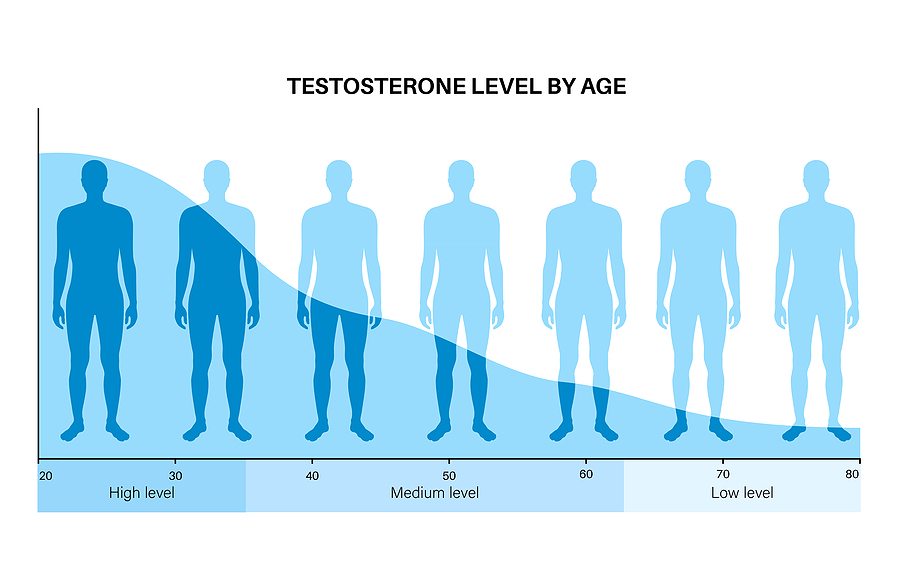
    It is important to realize that at age 20 the blood testosterone level is around 900 ng/dL, but this declines after age 30. It is 550 ng/dL at the age of 40. At the age of 50 the testosterone level is 350 ng/dL. And at the age of 70 the testosterone level has shrunk to 200 ng/dL or less. With this in mind, there are also seasonal variations with higher levels of testosterone occurring in summer and early fall, and low levels happening in winter and early spring. A healthy male produces the following male hormones: Testosterone, 5-6 mgs/day; Androstenedione, 3 mgs/day; DHT, 0.300 mgs/day; DHEAS, 50 mgs/day; and DHEA, 15 mgs/day.

    Functions of testosterone

    In other words, testosterone is the male hormone responsible for the male body characteristics. Every male body cell has testosterone receptors on it. Truly, this way testosterone is involved in protein manufacture and muscle maintenance. In fact, bone formation depends on testosterone and oxygen uptake as well. It is also controlling blood sugar together with insulin. In addition, normal sperm production depends on testosterone. To clarify, testosterone also regulates cholesterol and the immune system. By all means, it also helps to improve mood, is important for mental concentration and helps protect against Alzheimer’s disease. Finally, there is stimulation of platelets and megakaryocytes by testosterone, which makes blood clotting easier.

    Symptoms of andropause

    It must be remembered, towards the end of their 60’s many men get symptoms of tiredness, loss of energy and depression. Specifically, they may get a bad temper, present with irritability, anxiety and nervousness. Specifically, they complain of a loss of memory, loss of sex drive and libido. Certainly, their erections are getting weak or they lose them altogether. There is a decreased intensity of orgasm and they are gaining weight. All this should prompt their physician to have a total testosterone blood test done. When the testosterone level is less than 500 ng/dL the person should see their physician for replacement testosterone therapy.

    Other signs of testosterone deficiency

    There are other signs and symptoms of testosterone deficiency: backaches and joint pains, loss of fitness, being overstressed. In addition, testosterone-deficient males experience a decrease in job performance and a decline in physical fitness. They have bone loss, elevation of their blood cholesterol and an increased risk of heart disease. They often also have increased insulin resistance, diabetes and metabolic syndrome. Mortality in men with low testosterone is much higher than in controls with normal testosterone. Several dozens of literature references were provided to support the above statements.

    Testosterone replacement and hormone balance

    When a patient is on testosterone replacement, a digital rectal exam should be performed to check for the size of the prostate gland. A PSA should be done every year (in former prostate cancer patients every 3 months). PSA should stay below 4.0 ng/mL. If the PSA rises by 1.5 ng/mL in one year or by 0.75 ng/mL in two consecutive years, a urologist should be consulted to rule out prostate cancer.

    Men produce small amounts of estrogens, which are important for memory function of the brain and for strong bones. Androgens and testosterone aromatize into estrogen via the enzyme aromatase in fatty tissue. There are a few reasons why aromatase increases: obesity, excessive alcohol intake, chronic inflammation and high insulin levels.

    The following medications lower estrogen levels: phenobarbital, carbamepazine, trazodone, chlordiazepoxide and sulcrafate.

    Side effects from elevated estrogen levels

    Increased estrogen levels in males cause gynecomastia (colloquially called “beer tits”), decreased sex drive, heart attacks, strokes and benign prostate hypertrophy. Elevated estrogen levels also cause insulin resistance, rheumatoid arthritis and prostate cancer. Dr. Smith referenced all of these statements again with many literature quotations.

    Dihydrotestosterone (DHT)

    This metabolite of testosterone is 3-times stronger than testosterone. It is formed from testosterone by the enzyme 5-alpha reductase. It is responsible for the male-specific characteristics, the male genitalia and the prostate gland. Low levels of DHT cause reduced sexual function, decreased libido and weakened muscle function. On the other hand, elevated DHT causes male pattern baldness, hirsutism and benign prostate hypertrophy (BPH). There are two 5-alpha reductase inhibitors, namely finasteride and dutasteride, that clinicians use to lower elevated DHT levels. This can reduce the risk of prostate cancer by about 50%. Dr. Smith provided many literature quotations to support these statements.

    Testosterone replacement therapy

    Based on more than 3 dozen literature quotations Dr. Pamela Smith outlined the following:

    • Most men tolerated transdermal testosterone application very well.
    • Erectile dysfunction affects 1 in 5 older men.
    • Erectile dysfunction in association with low blood testosterone and low libido responds to transdermal application of testosterone very effectively.
    • It may take 14-25 weeks before transdermal testosterone treats erectile dysfunction successfully, more than 50% of men respond to this.
    • Testosterone replacement prevents beta amyloid precursor protein production, which increases memory and decreases the risk of Alzheimer’s development.
    • High stress produces high cortisol levels in the blood, which affect the hippocampus, where memory is located. Testosterone is neuroprotective, and it preserves memory.
    • Transdermal testosterone decreases coronary heart disease by relaxing coronary arteries. This prevents heart attacks and strokes.
    • Testosterone decreases inflammation and lowers LDL cholesterol.

    More facts about testosterone replacement therapy

    • Testosterone lowers inflammatory cytokines and stimulates interleukin-10 production. This has anti-inflammatory and anti-atherogenic actions, which prevents heart attacks.
    • There was a reduction in mortality from heart attacks in the testosterone treated group of between 66% and 92%. In addition, 30 nonfatal strokes and 26 nonfatal myocardial infarctions occurred in the control group, but none in the testosterone group. Testosterone deficient heart failure patients responded very well to testosterone replacement therapy.
    • Prostate cancer or benign prostate hypertrophy do not increase with transdermal testosterone replacement therapy.
    • A Meta-analysis showed that older men with the highest risk for prostate cancer have the lowest testosterone blood levels.
    • Type 2 diabetics with a high insulin resistance respond well to testosterone replacement therapy. They increase insulin sensitivity and lower their blood sugars. This improvement peaks after 3 months and the effect stays for 12 months.

    Further facts about testosterone replacement therapy

    • Testosterone replacement is safe. It provides significant benefits for erectile dysfunction, for muscle mass, prevention of Alzheimer’s disease, prevention of heart attacks and strokes. Testosterone treatment is for males above the age of 50, there is no cut-off for higher ages. There are many controlled clinical trials spanning over 70 years, which support all of what is presented here.
    • Testosterone can’t be taken orally, because it is rapidly metabolized in the liver. Instead, patients use transdermal testosterone gel or cream. Gels are commercially available and very expensive. Compounding pharmacies can provide testosterone creams for you, which are considerably cheaper and can be dosaged according to the patient’s needs. Testosterone esters in oil are available for subcutaneous or intramuscular injection twice per week. This ensured a steady testosterone level.

    Improvements after testosterone replacement therapy

    • Timing of improvements: cholesterol reduction occurs by 12 months, for triglycerides it takes 22 months. Testosterone levels take 4 to 12 weeks to normalize. Fasting blood sugars and Hemoglobin A1C come own within 3 months with further improvements by 12 months. Sexual desire and energy are back to normal within 3 to 6 weeks.
    • It is important that you go for blood tests to measure testosterone levels every 3 months initially (blood level). If the levels are stable, the physician may decide to only order tests every 6 months.
    What you Must Know about Male Hormones

    What you Must Know about Male Hormones

    Conclusion

    The goal in the aging male is to maintain optimal male hormone levels. This achieves optimal health and prevents diseases of older age. First, it is important to preserve his erections, but at the same time testosterone replacement therapy prevents Alzheimer’s disease and memory loss. It also prevents heart attacks and strokes. Testosterone helps to preserve muscle mass. Hormone replacement therapy keeps lipids like cholesterol and triglycerides under control. Testosterone replacement reduces blood sugars and prevents type 2 diabetes mellitus. Replacement therapy also reduces elevated insulin levels. The end result is that testosterone replacement therapy maintains the health of the aging male.

    Apr
    06
    2023

    Erythritol is Linked to Heart Attacks and Strokes

    A recent publication found that erythritol is linked to heart attacks and strokes. The study from the Cleveland Clinic was published Jan. 19, 2023 in Nature. It showed that people with diabetes had a 2-fold risk of getting a heart attack or stroke. Researchers measured the highest concentration of erythritol in their blood versus a control group with no erythritol in it. The study further showed that erythritol causes platelets to form clots, which could break of and travel to the heart or brain vessels. This triggered a heart attack or stroke. Dr. Stanley Hazen, director of the Center for Cardiovascular Diagnostics and Prevention at the Cleveland Clinic Lerner Research Institute said: “We never expected this. We weren’t even looking for it.”

    Erythritol is what causes heart attacks and strokes

    What the research team was looking for was “find unknown chemicals or compounds in a person’s blood that might predict their risk for a heart attack, stroke or death in the next three years. “This is how erythritol was identified as a risk factor.

    Erythritol is a sugar alcohol

    Like sorbitol or xylitol, erythritol is a sugar alcohol, which occurs in many fruits and vegetables. Erythritol has less laxative effect than some of the other sugar alcohols. It tastes like sugar and adds bulk to any stevia-based sweeteners. These are the reasons why it became the preferred zero calorie sweetener of the industry. Also, in a mixture it diluted the pronounced sweet effect of stevia, but added the crystalline texture appearance like sugar to the sweetener. This is what the consumer expected of a sweetener.

    The clinical trials showing there is a link between erythritol and heart attacks as well as strokes

    One group of patient’s tests were 1,157 blood samples from people at risk for heart disease collected between 2004 and 2011. Another batch of blood samples came from over 2,100 people in the United States and an additional batch from 833 samples gathered by colleagues in Europe through 2018. 75% of the participants in all three populations had coronary disease or high blood pressure, and about 20% had diabetes. Over 50% were male and in their 60’s and 70’s. All of those samples showed the following. Higher levels of erythritol showed a correlation to a greater risk of heart attack, stroke or death within three years.

    Blood coagulation

    Our blood has a delicate balance between coagulation from clotting factors and platelets on the one hand and fibrinolysis, which counters clotting, on the other hand. This ensures that we are not spontaneously bleeding and also not getting clots from hypercoagulation. The researchers found that it is this balance, which erythritol disturbs. Dr. Hazel said: “But what we’re seeing with erythritol is the platelets become super responsive: A mere 10% stimulant produces 90% to 100% of a clot formation”. This was the reason for the higher heart attack and stroke rates in the higher levels of erythritol in the blood.

    Erythritol levels checked in healthy volunteers

    The last part of the study involved tracking blood tests of erythritol in 8 healthy volunteers. They drank beverages containing 30 Grams of erythritol, which is the amount many Americans consume. According to the National Health and Nutrition Examination Survey, which examines American nutrition each year 30 Grams is the average daily consumption of Americans. The researchers took blood tests of erythritol for the next 3 days including tests of clotting risks. Dr. Hazen said: “Thirty grams was enough to make blood levels of erythritol go up a thousandfold. It remained elevated above the threshold necessary to trigger and heighten clotting risk for the following two to three days.”

    Reaction of the industry

    Robert Rankin, the Calorie Control Council’s executive director, an industry association, wrote in an email: “The results of this study are contrary to decades of scientific research showing reduced-calorie sweeteners like erythritol are safe, as evidenced by global regulatory permissions for their use in foods and beverages.” But this seems to be a lame excuse. The platelet clotting effect of erythritol simply was not what the FDA expected or tested for. The same was true for other regulatory bodies when they released it as safe. I have drawn my own conclusion and thrown out all sweeteners I had in my possession that contained erythritol.

    "<yoastmark

    Conclusion

    Sometimes studies come out of the blue, which change our everyday practice. One of these studies is Dr. Stanley Hazen, director of the Center for Cardiovascular Diagnostics and Prevention at the Cleveland Clinic Lerner Research Institute. He showed that erythritol as an artificial sweetener is not harmless as previously thought of. This included the FDA as a regulatory agency, which labeled erythritol as GRAS (=generally recognized as safe). Now new evidence of clinical studies showed that erythritol is responsible for a twofold risk of heart attacks, strokes or death in the next three years. Dr. Hazen included all kinds of controls and also fed healthy volunteers erythritol. No matter how he looked at it, the risk remained.

    Erythritol causes clots, which cause heart attacks and strokes

    In animal experiments he could also show that erythritol caused platelets to stick together and cause clot formation. These clots could travel into the heart and brain vessels and cause heart attacks and strokes. For any consumer it is the most sensible approach to NOT use any sweetener that contains erythritol. This involves reading product ingredients before you buy any sweetener. Assuming that products are harmless, when the label reads “Stevia” is a fallacy! In numerous products the ingredient list will show the word “erythritol”. Buyer beware!